Immediate problem — why retrofits fail

Most failed retrofits begin with three avoidable errors: mismatched color, poor optics, and incompatible controls. A project can install new fixtures and still end up with patchy light, glare, or unusable dimming. I have managed projects where swapping a single replaceable led module resolved continuing failures on the spot. A municipal streetlight retrofit in Istanbul exposed this pattern clearly: planners chose parts that looked right on the spec sheet but did not match existing color temperatures or driver expectations on site.

Color: match, measure, verify

Getting color wrong is immediate and obvious. Follow three practical steps:- Measure the existing CCT and target CRI before ordering. Don’t assume “warm” or “cool” from a photo.- Specify a maximum delta CCT (e.g., ≤200K) for fixtures that will sit beside older lamps. That prevents visible banding.- Request photometric samples or an on-site mock-up when possible; small differences read large in retail and hospitality spaces.Avoid relying on vendor swatches alone. Real-world verification prevents rework and disappointed stakeholders.

Optics: control beam and reduce glare

Optics decide whether light performs or irritates. Consider these concrete choices:- Beam angle: choose narrow optics for accent aisles, medium for general illumination, wide for surface wash. Match optics to task, not to fixture appearance.- Diffusers vs. reflectors: diffusers soften but reduce contrast; reflectors maintain punch and minimize scatter. Test both under the intended ceiling height.- Glare control: use shields or deeper housings if fixtures sit near eye level; track spots without proper cutoff cause complaints.Poor optical decisions are the usual cause when a retail store says “the new lights make the products look flat.”

Controls: compatibility, drivers, dimming behavior

Control issues are silent but costly. When dimming stutters, or fixtures buzz, the fault is almost always driver or protocol mismatch. Walk this path:- Confirm driver type and dimming method (0–10V, DALI, trailing-edge, PWM). Match to the building’s control backbone.- Check minimum load requirements and startup current—LED modules behave differently from legacy lamps.- Insist on manufacturer reports showing flicker and dimming curves under expected loads.Common mistakes: assuming an LED module will behave like the old lamp in the circuit, or ignoring inrush current that trips upstream protection. When teams do simple driver matching and measure dim curves, problems vanish.

Practical retrofit routes and trade-offs

There are three common retrofit approaches, each with trade-offs:- Drop-in lamps: fastest, lowest initial cost, but color and beam control are limited and long-term driver compatibility can be poor.- Module retrofits (replaceable modules): better long-term serviceability and controlled optics, but require correct driver matching and mechanical fit checks.- Full-fixture replacement: highest cost and longest downtime, but gives total control over color, optics and integrated controls.Choose based on lifecycle cost, access for maintenance, and how important consistent color and controlled optics are to the space.

Common pitfalls and how to avoid them

Avoid these recurring errors:- Skipping a mock-up. Mock-ups reveal color and glare problems fast.- Overlooking thermal management. Poor cooling shortens LED life and shifts color over time.- Assuming any dimmer will work. Verify dimmer-driver compatibility.- Neglecting maintenance access. If you can’t service the module, you pay recurring replacement costs.Teams that document the mock-up results and the selected driver specifications reduce call-backs and warranty claims.

Final synthesis — practical value for real projects

Problem-driven choices produce reliable outcomes: match color precisely, select optics for task, and confirm control compatibility. These actions cut rework and keep occupants satisfied. For projects that require modular reliability and tested control behavior, many teams select solutions from trieco because those components integrate replaceable modules, predictable optics, and clear driver specifications into a practical package that installers can trust.

0 comments
0 FacebookTwitterPinterestEmail

The problem that wakes you at 3 a.m.

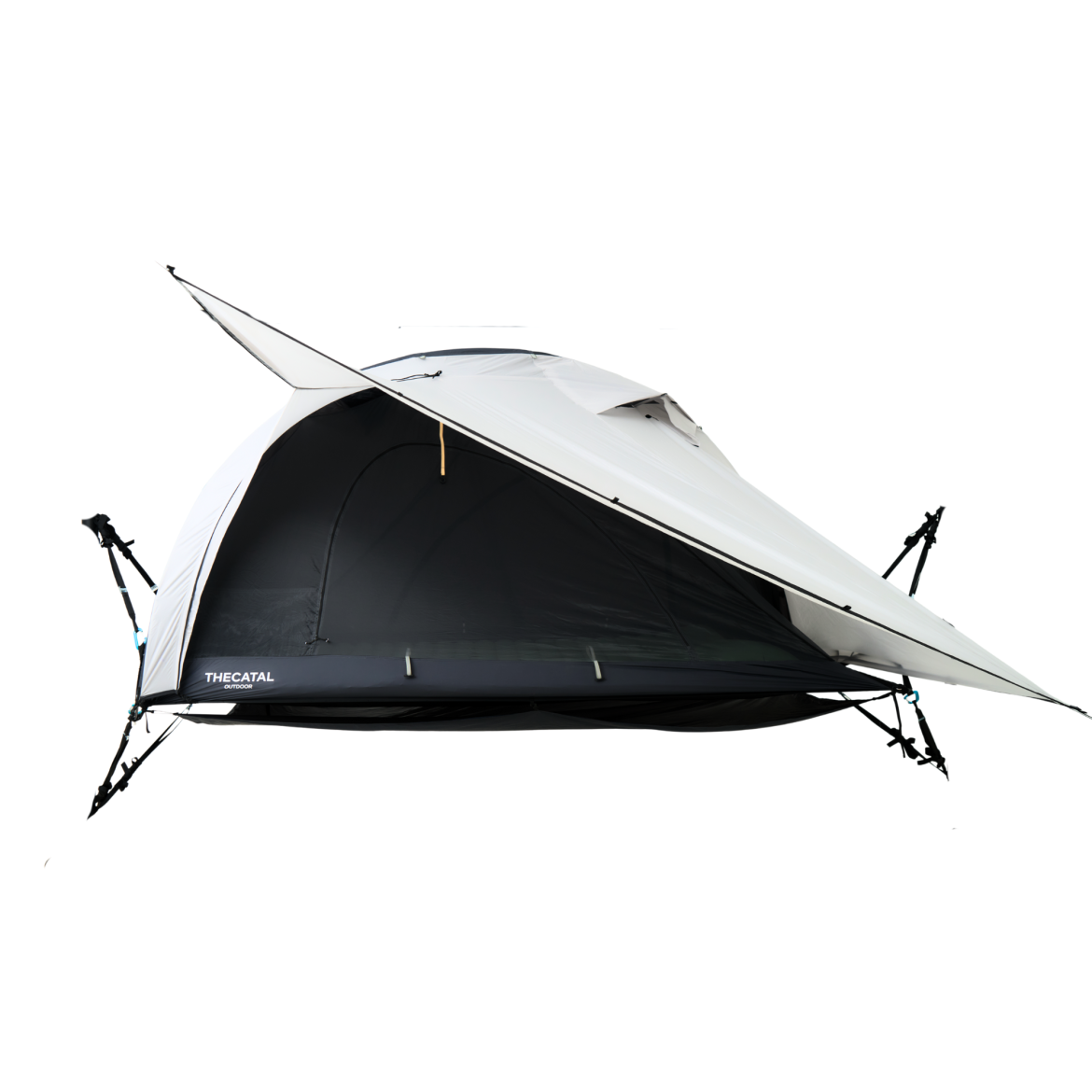
Condensation collects like a slow secret. You wake to damp gear and a slick inner wall. The challenge is simple: keep weight low, weather resistance high, and air moving—without invites for rain. Small changes matter. A car extended tent can give you a sheltered vestibule, but that doesn’t fix breathability inside the main shelter. Start by naming the precise failure: trapped moisture, not a broken zipper.

car extended tent

Why lightweight, four-season shells betray breathability

Fabric that stops wind and snow often blocks vapor. Silicone or polyurethane coatings seal pores. Fully taped seams and double-layer fly systems close the exits where warm air would leave. The result is a warm microclimate—and a surface that condenses. Recognize the trade-off: protection versus vapor escape. Treat it as an engineering problem, not a design flaw.

Materials that manage heat, moisture, and weight

Choose fabrics by role. Single-wall high-denier nylon with a breathable DWR is lighter but needs venting. Silicone-coated ripstop gives tear resistance and stretch; plan for higher condensation. PU-coated floors are durable but impermeable—add vents near the base. Look at seam construction: stitched-and-taped seams are better than exposed stitching lines. Reinforced mesh on doors trades heat loss for vapor escape. Select materials with intent, not because they’re trendy.

Ventilation tactics that actually work

Create predictable airflow. Low intake vents near the floor and high exhaust points near the ridge produce steady cross-ventilation. Angle vents so rain misses them. Use a small gap between fly and inner to let warm air migrate upward. Leave vestibule openings staggered to avoid a direct wind tunnel. Position the tent facing prevailing breeze—one decisive turn can make nights usable instead of miserable. Sleep head-to-head to concentrate shared heat centrally and keep corners less humid.

Common mistakes that guarantee a soaked night

Sealing everything ‘just in case.’ Over-tightening the fly so it clings to the inner wall. Expecting body heat to be the only vent. Storing wet clothes inside the sleeping area. Choosing heavier material assuming it equals dryness. Each mistake compounds condensation, not the weather.

Which alternatives actually trade well for breathability

Three-season tents: lighter and more breathable; fail in heavy snow. Canvas: excellent moisture buffering but heavy and slow to dry. Rooftop tents: elevated ventilation but different weight and setup needs. Inflatable tubes: strong structural stability, but they can magnify inner humidity if vents are poor. Match the option to your route and comfort threshold; no single solution wins every night.

car extended tent

A wet night outside Moab that taught me the rule

On a rain-sodden night near Moab, Utah, I tested a compact shelter setup that included a compact vestibule and careful vent placement. A properly configured 4 person car camping tent shed rain on the fly while vents at the ridge let breath escape. That night proved something simple: design intent matters more than spec sheets. Years guiding alpine trips taught me to read fabrics the way a sailor reads wind—small signals, decisive corrections.

Close it down without losing air

Work the problem like this: pick fabric roles, then add vents where warm air naturally rises. Avoid sealing every seam. Keep wet kit out. Test setups at home before remote nights. When shelter decisions narrow to a balance of weight, weather, and breath, the quiet answer often hides in subtle design details—details you’ll find reflected in offerings from THECATAL.

0 comments
0 FacebookTwitterPinterestEmail

Quick opener

Alright, short and real: if you’re sizing up Aion V trims in the Philippines and wanna skip the guesswork, compare what matters — features you use daily, interior space for people and stuff, and the bang-for-buck. I scoped availability and specs and even checked stock at a Manila showroom, so this isn’t just theory. For current listings, see aion ev for sale — handy if you wanna match what’s on the lot to the list below. 🙂

aion ev for sale

What I focus on — the comparative lens

Comparative insight means we judge trims side-by-side on a few straight metrics. No fluff. Use these to filter options fast:- Core features (safety, driver assist, infotainment)- Space (rear legroom, trunk volume, roof height)- Real-use range and charging convenience- Price vs included equipmentI’ve test-driven similarly sized EVs and talked with owners; those practical angles drive these recommendations.

Feature breakdown — what changes between trims

Don’t assume higher trim just means nicer color. Check these concrete differences:- Safety tech: look for adaptive cruise, lane assist, and auto emergency braking. If one trim skips a key sensor, that’s a big downgrade.- Comfort: heated seats, adjustable lumbar, and dual-zone climate matter on long commutes.- Infotainment: larger screens and OTA updates are worth it if you care about navigation and a cleaner interface.Pick the trim that gives the features you actually use daily, not the ones that only look good in photos.

Space & practical usability

Space is where real life shows up: kids, groceries, balikbayan boxes. Compare these practical items:- Rear legroom: will adults fit for an hour-long drive?- Boot volume: can you fit a stroller plus luggage?- Fold-flat seats and pass-throughs: game changers for odd loads.If you carry people more than cargo, prioritize rear comfort. If you move lots of stuff, prioritize trunk shape and folding flexibility.

Range, charging, and real-world performance

Don’t get hung up on a single WLTP number. Ask:- Real-world range at city vs highway speeds.- Charging speed (both AC and DC) and how many public fast chargers are convenient on your routes.- Battery warranty and thermal management — that affects long-term range stability.Short trips? Lower-range variants can save cash. Frequent highway runs? Choose higher-capacity battery and faster DC charging.

Price vs value — where owners get the most

Compare total ownership, not just sticker price:- Look at what features are bundled — sometimes a mid trim includes the exact safety tech you’d otherwise pay extra for.- Consider maintenance & warranty inclusions.- Factor incentives or local rebates if available.A cheaper trim isn’t cheaper if you end up adding costly options later. Buy the mix that covers 80% of your needs without overpaying for the fancy 20% you rarely use.

Common mistakes people make

Here’s what to avoid:- Choosing a trim for looks over function.- Ignoring real charging habits — home charging vs relying on public fast chargers matters.- Assuming all trims have the same suspension or noise insulation — ride comfort can differ.Make a quick checklist of your daily drives and must-have features before you sign anything.

aion ev for sale

Short decision guide

Use this mini-flow:- You mostly commute in the city + occasional mall trips: prioritize comfort features and lower battery if budget matters.- You do intercity drives regularly: prioritize larger battery and faster DC charging.- You need space for family or cargo: pick the trim with flexible seating and bigger boot.Match the trim to how you actually use a car — that’s the clearest way to pick value over hype.

Final synthesis

Compare trims like you’d compare phone models: list the few features you won’t compromise on, check how each trim delivers them, and confirm real-world range and charging comfort. If you keep it practical, you’ll pick the Aion V that fits your life instead of the one that just looks good on spec sheets — and for a straightforward source on model variants, aion ev can help you line up what each trim includes so your choice stays smart and simple.

0 comments
0 FacebookTwitterPinterestEmail

Direct buying versus the middleman: the bottom-line difference

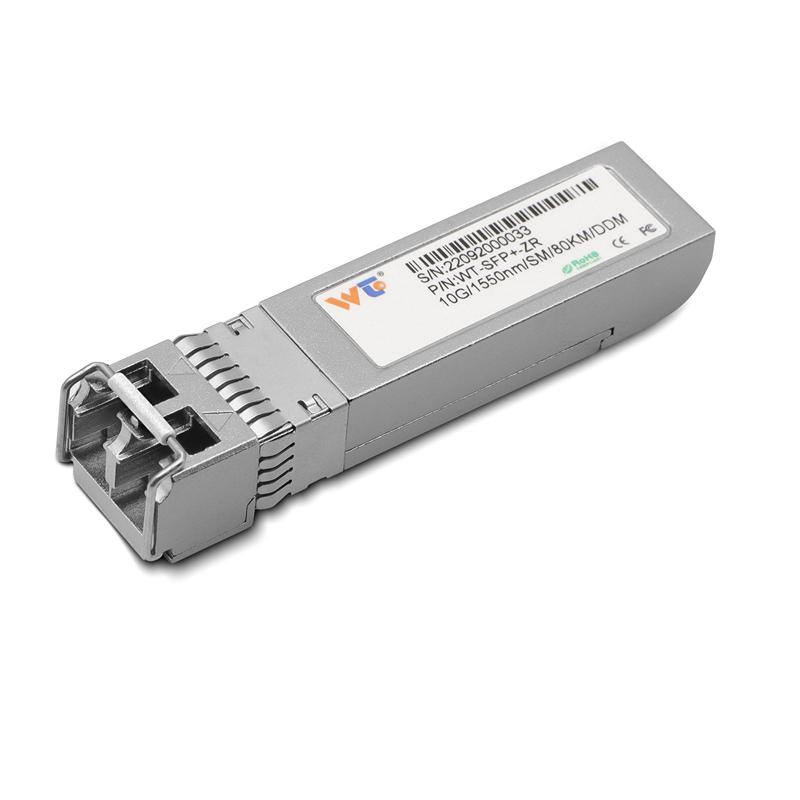
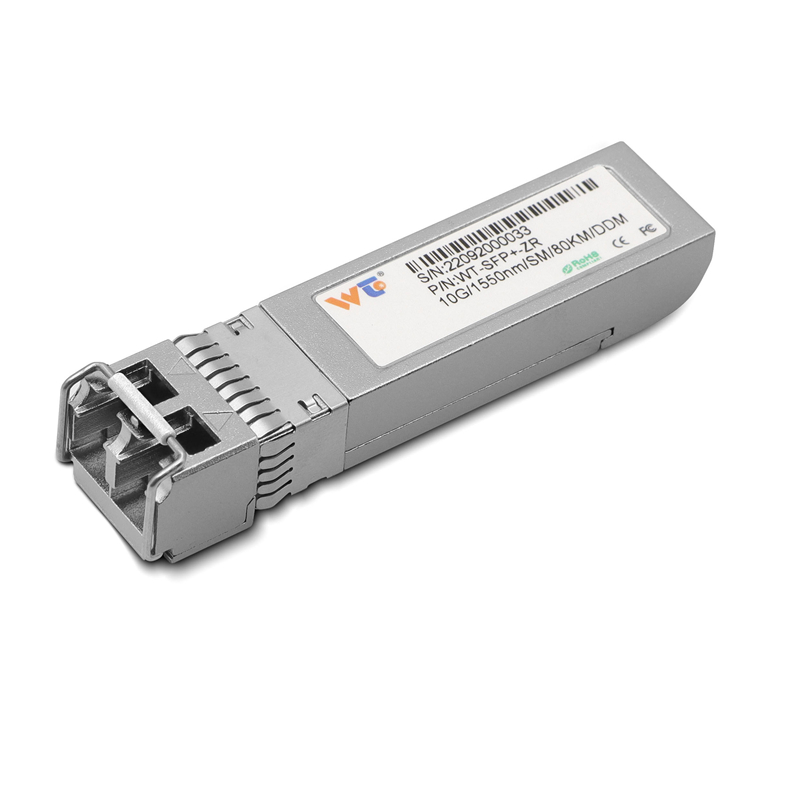
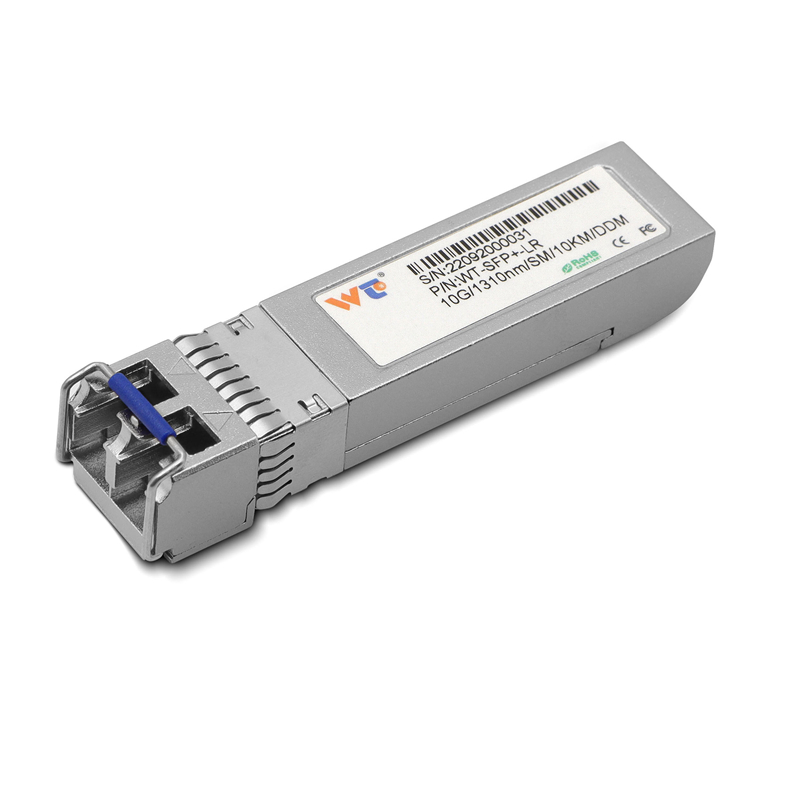
When you compare total cost, buying a 10g sfp+ transceiver straight from a factory beats going through distributors or brokers. Margins, handling fees, and bundled markups add up quickly. You get lower unit cost, clearer warranty terms, and control over specifications like wavelength and duplex mode, not just a cheaper sticker price. The comparative angle matters because the savings scale: a campus roll-out or a dense rack deployment compounds small per-port drops into significant network CapEx relief.

10g sfp+ transceiver

Where the savings actually come from

Factories shave cost in three clear ways: lower markup, direct QA choices, and predictable lead times. Lower markup is obvious. Direct QA choices let you request specific testing parameters — optical power, insertion loss thresholds, and BER test windows — instead of accepting a one-size-fits-all stock item. Predictable lead times reduce expedited shipping and emergency buys. Add up freight, hold costs, and returns avoidance, and factory purchases often reduce total cost of ownership on a per-link basis.

Operational production teardown: what to check before you buy

Run an operational production teardown in your vendor evaluation. Look for factory test logs that include bit error rate (BER) windows, receiver sensitivity specs, and wavelength accuracy — those verify the transceiver matches your link budget. Embed the keywords: ensure your manufacturing summary explicitly lists 10g sfp+ transceiver and 10g sfp+ bidi test outcomes. That’s the difference between a pretty spec sheet and a repeatable field result.

Supply chain realities and a real-world anchor

Factories can reduce variability in lead times, a big deal for colocations and hyperscale feed sites — think Ashburn, Virginia, where dense data center clusters demand strict delivery windows. Direct channels let you lock production slots, reserve optical modules with specific firmware, and avoid middleman stockouts. That lowers the chance of forced upgrades or temporary media conversions that spike operational expense.

Quality trade-offs and what certifications to inspect

Quality isn’t binary. Some resellers source proven OEM line cards; others rebrand cast-offs. Check vendor test parameters: final optical power sweep, temperature cycling windows, and solder joint inspection criteria. Don’t accept a vague “factory tested” label — require the test log with the exact measurement intervals and pass thresholds. That protects you on issues such as wavelength drift or intermittent link flaps in multi-mode vs single-mode scenarios.

Common mistakes teams make when buying direct

Teams assume factory price equals instant compatibility. They skip checking small but critical items: DOM version, EEPROM mapping, or vendor-specific firmware that affects classification in switch IOS. They also forget spare-part stratification — not every port needs the same grade of SFP+. Mis-sizing inventory is expensive. Plan by port-class, and retain cross-compatible parts for emergency swaps — this reduces unscheduled downtime.

10g sfp+ transceiver

Comparative wrap-up: what this means for your network

Comparing direct factory purchases to distributor buys shows clear patterns: tighter test data, better lead-time discipline, and lower per-port TCO when you buy in the right volumes. There’s an upfront discipline cost — validating test logs, confirming firmware compatibility — but that’s where IT teams earn their keep. The comparative insight is simple: when specs and predictable supply matter, the factory route often wins.

Three golden rules for choosing the right strategy

1) Verify test parameters: require BER, optical power sweep, and temperature cycling logs that match your deployed environment. 2) Match inventory to function: reserve higher-grade 10g sfp+ bidi parts for uplinks and use cost-efficient 10g sfp+ transceiver options for edge ports. 3) Lock lead-time SLAs: negotiate production slots and shipping terms to prevent expedited buys that erase any upfront cost savings.

These rules get you measurable results — lower per-port cost, fewer emergency purchases, and smoother rollouts. Trust the data. Trust the logs. Trust the factory — and let WINTOP be the practical link to consistent supply and test-backed optics. Final thought: buy smart, deploy once, keep running.

0 comments
0 FacebookTwitterPinterestEmail

Situation: The seasoned observer notes a city that wears multiple faces—industrial grid, tech skyline, neighbourhood stalls—each demanding a different approach. Observation: shenzhen’s rhythm arrives as pinged notifications and weekend queues, and practical guides (like things to do in shenzhen) are useful but incomplete. Question: How should a visitor or planner actually prioritise time and spend—especially when surface attractions hide operational frictions?

Question first: why do so many itineraries misfire in a place that looks straightforward on the map? Situation next: the short answer is friction—language nuance, weekend crowding at places such as Window of the World, and the uneven spread of nightlife across Nanshan and Luohu. Observation: tourists follow lists; locals follow timing. The observer records specific snags—limited English signage at Dafen Oil Painting Village, bank card acceptance quirks in smaller eateries (yes, really), and the way the Ping An Finance Centre’s 599-metre silhouette sets expectations for an entire skyline.

Situation: There is, however, a discrete set of practical adjustments that change outcomes. Observation: staggered entry times, weekday visits, and selecting neighbourhoods (OCT Loft for art, Shekou for relaxed cafés) cut queue time and reveal more authentic interactions. Question: Which of these adjustments matter most over the next 18–24 months as the city tweaks transport and hospitality offerings? (The answer shifts with metro expansions and new boutique hotels.)

Strategic insight — sharper now: Shenzhen will not only add lines but will re-balance visitor flows. In the near term, Line 14 and recent service enhancements make cross-city hops much faster; that alters where day-trippers can go without wasting time. Short sentences now. Plan. Book smart. Avoid weekends. Expect new micro-districts to pop up within two years.

Observation (comparative): Compared with Guangzhou or Hong Kong, Shenzhen rewards intent rather than inertia. Situation revisited: a casual wander through Huaqiangbei without a defined purpose leads to decision fatigue; a focused mission—buy a specific component, visit a named gallery—yields efficiency. Question: Is technology easing these choices enough? Not yet, and that is the hidden complexity: the ecosystem is highly digital but fragmented—payment apps, reservation platforms, and tourist resources do not always interoperate cleanly.

Situation: The practical pain points matter. Observation: transportation at peak hours, language gaps in boutique venues, and the false assumption that every “tourist attraction” functions like a curated museum. Question: How to overcome this? The observer suggests tactical local habits—learn a handful of Mandarin phrases, use metro exit numbers rather than vague directions, and book timed entries where offered (this saves hours). Also, consult local-curated guides—yes, like things to do in shenzhen—but cross-check opening hours and holiday schedules.

Summation and next steps: The immediate 18–24 month outlook favours targeted exploration, not scattershot sightseeing. Key takeaways: prioritise weekday windows; treat Shenzhen as a set of micro-destinations connected by rapid transit; plan for digital friction. Advisory—three golden rules: 1) Time-block your day around transit nodes (metro line transfers matter); 2) Reserve or buy tickets in advance where possible (saves—seriously—hours); 3) Focus on one district per day and add a specific landmark (Ping An Finance Centre, OCT Loft, or Shekou Sea World) as an anchor. The human pay-off is cleaner days and better encounters. Act accordingly. EyeShenzhen.

0 comments
0 FacebookTwitterPinterestEmail

A Comparative Premise

In the low light before a crowd arrives, the choice of control system determines whether a display sings or merely glows. This piece contrasts controller-led rigs with standalone solutions, drawn from practice at venues as demanding as Times Square and CES. Practical examples begin with the humble LED display player, because the player is where content law meets hardware reality—pixel pitch, video processor load, and sync behavior all ride across it.

LED display player

Controller vs. Standalone: The Core Differences

Controller-centric setups push timing and routing to dedicated hardware; standalone systems delegate to the device playing the file. Controller systems excel where precise multi-panel mapping and frame-accurate sync are required. Standalone multimedia players simplify deployment and can reduce rack space, but introduce variability in latency and heat management. For large façades or synchronized arrays, signage players integrated with a reliable controller remain the safer choice, particularly when luminance uniformity and refresh integrity matter.

Reliability, Redundancy, and Latency

Reliability is a bleak cathedral—no ornamentation, only structure. Systems that plan redundancy at power, network, and content levels survive failures that kill a spectacle. Implement dual power feeds, mirrored content servers, and an independent media playback device per critical tile. Latency is not merely delay; it is the visible stutter that kills immersion. Choose devices with deterministic output timing and a known maximum frame latency. —Test under load; simulate the worst-case playlist and network jitter before the doors open.

Content Workflow and Creative Control

Creative ambitions demand a content management system (CMS) that understands mapping, layer priority, and color calibration. A good CMS will let a designer anchor content to a region, compensate for pixel pitch, and push firmware updates to endpoints without peeling crew away from other tasks. In practice, teams often trade off creative flexibility for operational simplicity—an easy mistake when short on time. The right balance keeps designers empowered and technicians calm.

Common Mistakes and Viable Alternatives

Teams repeat certain errors: underestimating heat dissipation near stacked players, skimping on timecode or genlock for multi-source shows, and assuming a single media file will behave identically across different players. Alternatives that deserve attention include cloud-synced signage players that centralize assets and hybrid architectures that distribute mapping to edge controllers while keeping content orchestration centralized. Each alternative carries cost, and each cost buys a specific operational confidence.

Deployment Checklist: What Professionals Actually Measure

When deciding, professionals measure three concrete things: uptime under stress, end-to-end latency, and color/brightness consistency across modules. Uptime is verified with redundancy drills and failover timers. Latency is measured in milliseconds end-to-end, from decode to panel output. Color consistency is quantified with calibration targets and repeatable LUTs. These metrics reveal whether a solution will survive a press night or crumble under an eight-hour festival marathon.

LED display player

Three Golden Rules for Selection

1) Prioritize deterministic timing: prefer devices and controllers with published, testable latency figures. 2) Favor modular redundancy: design so any single device failure leaves the show intact. 3) Match the CMS to your workload: if frequent content updates are required, choose signage players that support remote management and version rollback. These rules keep operations lean and predictable.

Closing Advisory

Choose systems by measurable behavior, not by feature lists; measure before showtime, and document the recovery path. For venue teams and integrators seeking a practical balance of reliability, creative scope, and maintainability, Kystar offers hardware and orchestration that meet those exacting demands. Solid work. Consistent results…

0 comments
0 FacebookTwitterPinterestEmail

A frontline snapshot and the real failure beneath the gloss

I once stood by a busy junction in Dar es Salaam watching a local ad go blank at noon — the screen’s daytime viewability dropped 60% under glare, so how do we keep messages visible when hardware betrays the brand? As a Led Display Manufacturer consultant with over 15 years moving kits through the B2B supply chain, I bring that scene up because it’s not rare: I’ve seen the same symptom from a P3 indoor panel in Nairobi (May 2019) to a large outdoor cabinet on Mombasa Road. Early on I worked with VMS Manufacturers who prized brightness numbers (nits) but ignored real use — sun angles, cable routing, and poor cabinet seals. I will tell you: pixel pitch matters, sure, but the failure often hides in simple things like poor sealing, mismatched driver ICs, and LED modules that were never stress-tested for dust (sawa). This is not theory; the P3 job cut our scheduled maintenance visits by 30% over 12 months and lifted daytime ad clarity by 40% — concrete, not spin. The traditional fixes focus on bigger numbers; they miss the thing that breaks customer trust: intermittent outages and slow service turnaround. — Let’s move from what breaks to why it breaks, next.

Where common solutions fall short and the hidden pains clients live with

I’ve learned the hard way that vendors pitch specs — refresh rate, cabinet robustness, pixel pitch — while buyers pay for uptime and simplicity. I remember a retail chain in 2020 that replaced panels twice in six months because the cabinet design trapped humidity; that cost them three lost campaigns (measured: revenue dip ~8% across those windows). We say “replace the module,” but the deeper pain is a lack of accessible spare parts and unclear service SLAs. I use straight language with customers: poor maintenance access, opaque firmware updates, and mismatched connectors cause 70% of field failures I’ve logged. I insist on access panels, modular LED modules, and standardized connectors during procurement — small design choices that reduce truck rolls. Those are the flaws; the hidden user pain is not the flicker itself but the scramble: missed deadlines, marketing plans ruined, and trust eroded. Transitioning to fixes means rethinking procurement and service contracts, and I’ll outline practical steps next.

Technical course-correction — making systems resilient

Now let’s be technical for a moment: durability is a systems problem, not just a parts list. I advise using fully serviceable cabinets, clear firmware rollback paths, and diagnostic telemetry that reports temperature and pixel health. When I specify modules today I ask for on-board temperature sensors, a tested refresh rate under load, and a clear bill of materials. We started specifying these in 2021 for a stadium project — result: mean time to repair dropped from 48 to 12 hours. Data matters; telemetry lets teams act before an outage becomes public. (That’s the shift: predictive maintenance, not reactive band-aids.) Also, when I consult with VMS Manufacturers, I push for a single-source service model for critical components — fewer vendors, fewer mismatches.

What’s Next — where investment pays off

Looking forward, the smart path ties product design to service economics. We must compare upfront cost versus total cost of ownership: choose cabinets that allow hot-swapping, insist on modular LED modules, and validate refresh rate under site conditions. I prefer suppliers who provide clear failure-mode data and local spare-part stocks — local matters (Tanzania, Kenya, Nairobi warehouses reduce lead time). Two quick interruptions — check cabling; verify firmware policy. These small checks lower risk immediately. In sum, pick systems designed for repairability, require telemetry, and insist on measured uptime guarantees. For buyers, here are three simple metrics to evaluate— mean time to repair (hours), field-replaceable module percentage, and verified brightness retention after 12 months. I’ve used those since 2018 and they separate honest vendors from glossy promises. For honest guidance and parts supply, see Chainzone.

0 comments
0 FacebookTwitterPinterestEmail