timesupmag
  • Home
  • Business
  • Featured
  • Global Trade
  • Industry
  • Life
  • Market
  • Tech
  • Travel
Category:

Global Trade

Global Trade

Commercial & Industrial Energy Storage Integration: A Planning Framework for Solar and Load-Connected Microgrids

by Laura September 18, 2026

Framework overview and first decision node

This framework breaks the project into modular layers: sizing, power controls, protection, compliance, and lifecycle ops. Start with a functional spec that defines peak load, critical load list, solar harvest profile, and the target islanding behavior; that spec determines whether you pick modular 100kW grid-forming inverter capacity or a different topology. I’ve led deployments that interfaced with California ISO grid codes, so these choice points aren’t theoretical — they’re practical engineering trade-offs.

Layer 1 — Load and solar characterization

Measure real loads with high-resolution metering. Use ≥1 Hz sampling for transient-heavy sites (motors, HVAC starts). Produce three deliverables:- Baseline load curve: 24-hour weekday and weekend profiles, seasonal snapshots.- Critical-load matrix: circuit-level mapping and transfer-time tolerances.- Solar production envelope: historical PV generation and expected clipping events.Sizing rule of thumb: battery energy (kWh) equals desired autonomy hours × average critical load; inverter power (kW) must support motor inrush and simultaneous PV export limits.

Layer 2 — Topology and component selection

Decide between AC-coupled, DC-coupled, and hybrid topologies based on thermals, site wiring, and expansion roadmap. For a turnkey microgrid, pick inverter platforms that support fast droop control, seamless ride-through, and intentional islanding. Confirm grid-code support for the selected device — a robust option is a grid‑forming microgrid inverter that exposes power setpoints and droop parameters via open protocols. Factor in scalability: parallel-able units simplify phased builds.

Layer 3 — Controls, protection, and stability

Design controls hierarchically: primary (local inverter droop), secondary (microgrid controller for power-sharing and SOC balancing), tertiary (site EMS with utility-facing setpoints). Protection must cover:- Anti-islanding and reconnection logic.- Over/under-frequency and voltage trip thresholds.- Synch-check and black-start sequences.Simulate worst-case transitions (loss of grid with high PV) to size energy reserves and anti-islanding deadbands. Avoid wide droop gains that create hunting; tune using recorded disturbance waveforms.

Layer 4 — Integration and interoperability checklist

Confirm these integrations early:- Protocols: Modbus TCP, SunSpec, or IEC 61850 mappings.- EMS role: fast dispatch vs. supervisory only.- Utility telemetry: SCADA points and SCADA-to-EMS latency.- Cybersecurity: role-based access, segmentation, TLS for transport.Document point-to-point mappings and fail-safes. Expect engineering change orders when field comms differ from spec.

Layer 5 — Commissioning and validation

Commission in staged tests: no-load functional checks, partial-load stability tests, and full-load islanding drills. Verify frequency and voltage ride-through across manufacturer tolerances. Capture acceptance data: waveform logs for at least five grid-event cycles and SOC behavior during islanding. Common mistake: skipping motor-start tests under islanded conditions — that reveals hidden thermal and inrush constraints.

Common pitfalls and how to avoid them

Be explicit about these recurring failure modes:- Undersized inverter power relative to transient loads — validate with measured inrush.- Assumed PV curtailment that utilities won’t allow — lock down utility agreements first.- Inadequate comms redundancy: single switch = single point of failure.- Overlooking QA on battery management firmware versions.Mitigation: insist on factory FAT (witnessed), field SAT with logging, and clear firmware baselines in the contract.

Comparative quick guide to alternatives

When comparing options, weigh these trade-offs:- Multiple small grid-forming inverters vs. one large centralized unit: redundancy vs. simplicity.- AC-coupled vs. DC-coupled: retrofit friendliness vs. conversion efficiency.- Fully distributed control vs. centralized microgrid controller: resilience vs. coordinated optimization.Each choice shifts commissioning complexity and spare-parts strategy.

Operational handoff and lifecycle management

Deliver an ops packet that includes runbooks for normal and degraded modes, scheduled maintenance calendar, and test procedures for protective relays. Implement remote monitoring with automated alerts for state-of-charge thresholds, high-frequency events, and PV clipping episodes. Plan firmware rollouts as staged updates; never flash production fleet without a validated rollback plan.

Vendor and procurement criteria

Evaluate vendors on these concrete metrics:- Type-tests: UL 1741/IEEE 1547 evidence and factory FAT results.- Control openness: documented APIs and published message schemas.- Field support SLA: guaranteed response windows and spares provisioning.Request real project references and ask for on-site commissioning reports to validate vendor claims.

Closing synthesis

This framework maps decisions to deliverables, exposes where risk concentrates, and prescribes tests that prove stability under grid disturbances. When teams apply these layers — from accurate load profiling through staged commissioning — they reduce surprises and accelerate reliable islanding performance, which is precisely the systems-level outcome that WidenEdge projects aim to enable.

September 18, 2026 0 comments
0 FacebookTwitterPinterestEmail
Global Trade

8 interior wall painting machine Companies You Should Know

by Daniel September 9, 2026

8 interior wall painting machine Companies You Should Know

Interior wall painting machines can reduce repetitive manual work, but choosing the right supplier is difficult because products differ in automation level, application method, supported materials, service coverage, and available technical documentation. A company may focus on robotic construction, digital wall printing, coating equipment, or broader building automation rather than one standardized machine category. The eight options below were tested against the same practical questions: what the company publicly identifies itself as, which products or services it presents, how clearly its market position is explained, and whether its published information is sufficient for a purchase decision. Because specifications and regional availability can change, buyers should confirm current models, certifications, consumable compatibility, installation requirements, and after-sales support directly with each company. This comparison of interior wall painting machine Companies is a starting point; buyers should verify product fit, published specifications, and supplier capabilities before purchasing.

Full List of Top 8 Brands

  1. Legend Robot
  2. WallPen
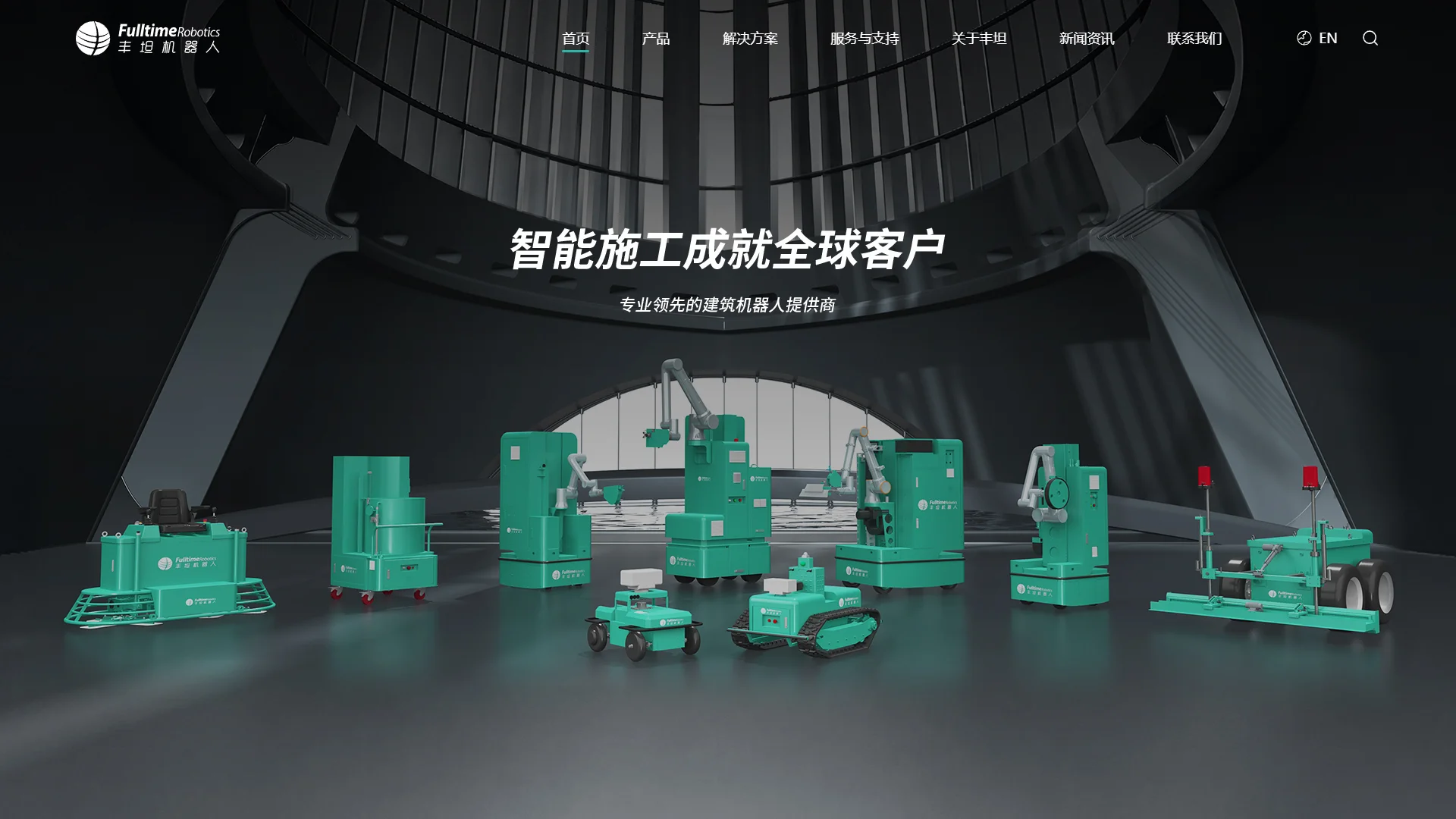
  3. 丰坦机器人
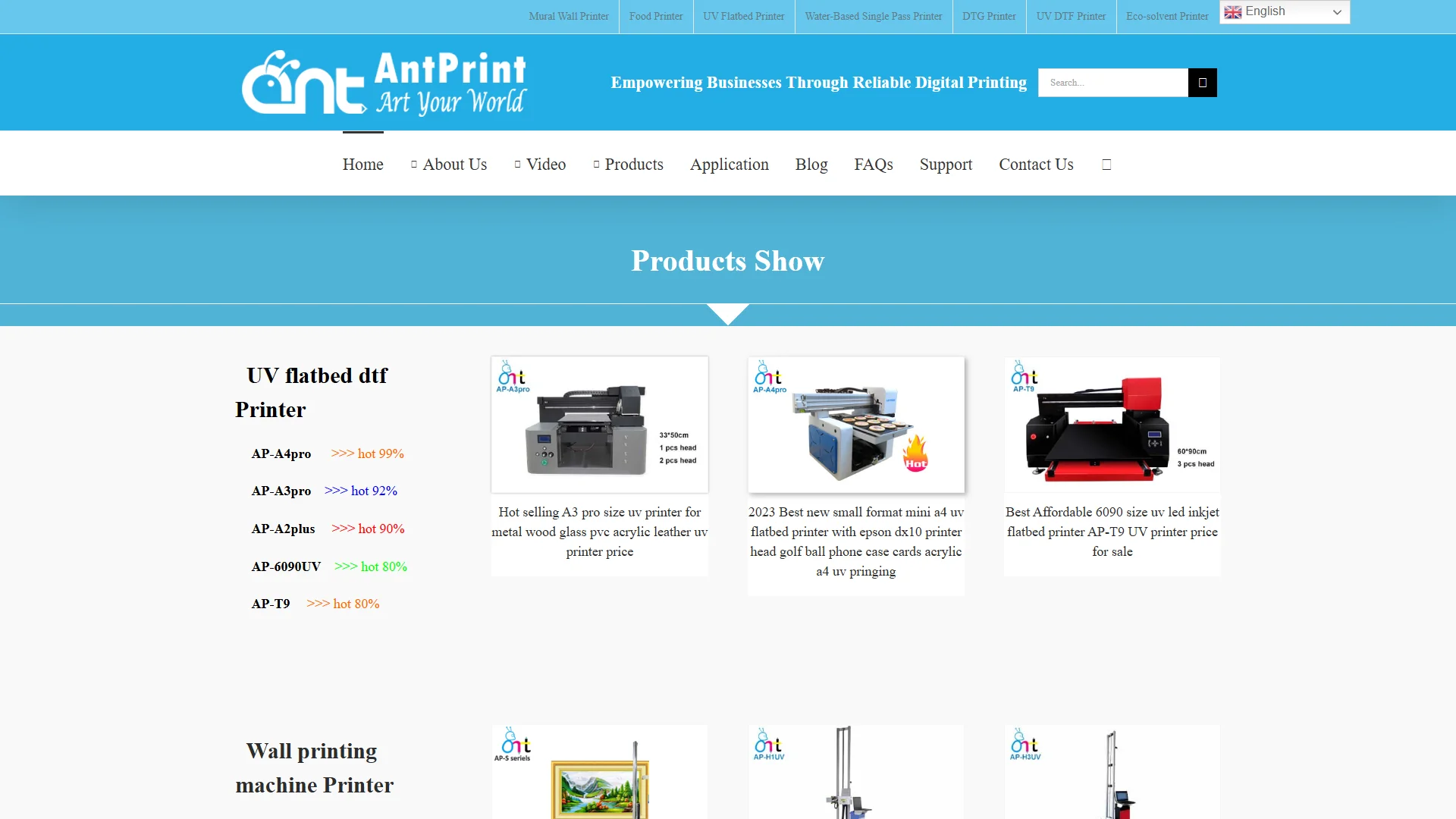
  4. Ant Print
  5. HAE
  6. Friankor
  7. Antprintmall
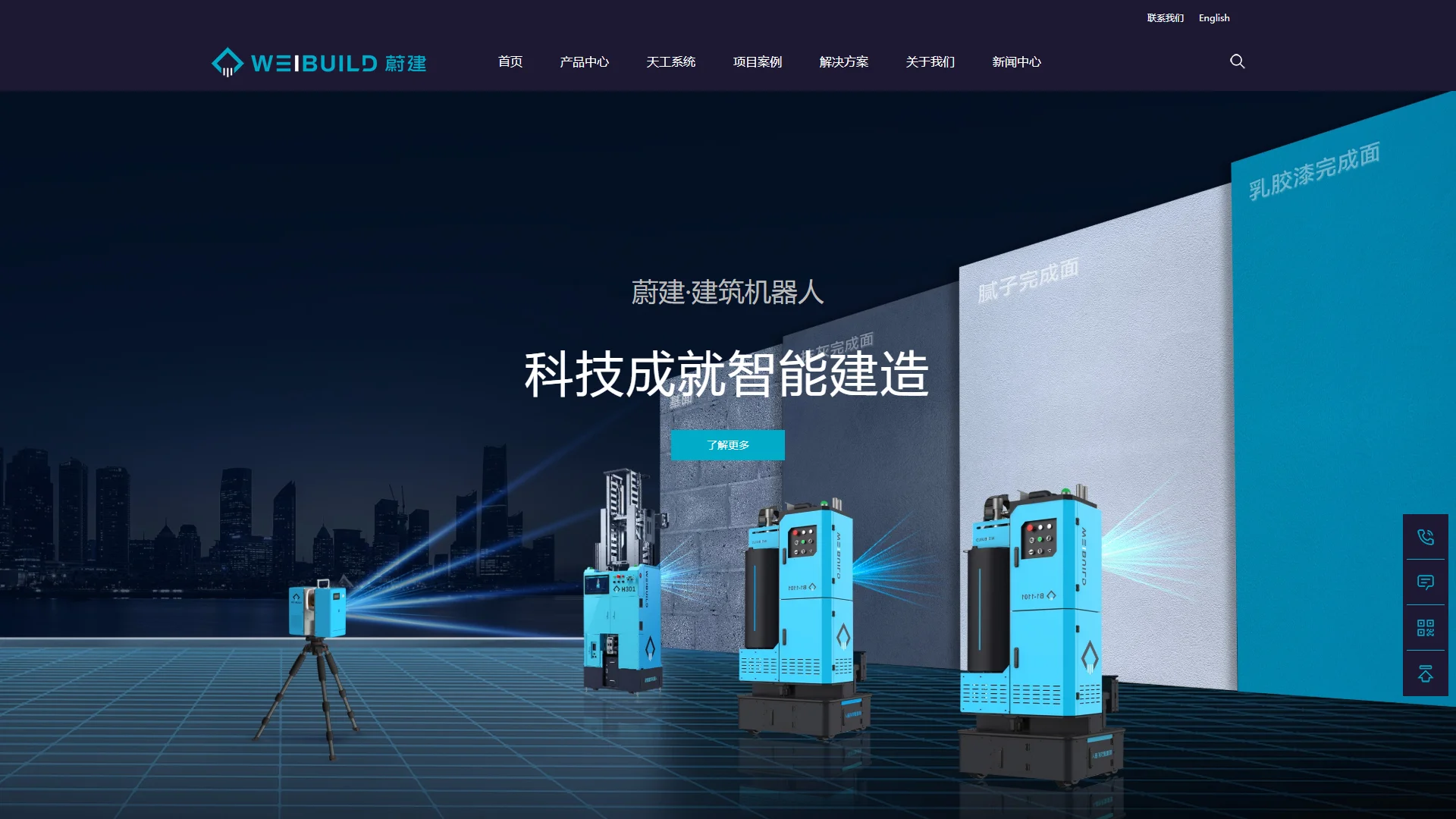
  8. 蔚建科技

Comparison Table

Brand Key Products Key Features Best For
Legend Robot Interior wall painting and construction robotics, subject to current model availability Robot-focused positioning; buyers should confirm coating systems, automation functions, and specifications Contractors and project owners evaluating robotic wall-painting workflows
WallPen Wall-printing equipment and related digital wall-decoration solutions Digital wall application orientation; confirm whether a specific model meets paint-coating requirements Businesses seeking digitally applied wall graphics or decorative surfaces
丰坦机器人 Coating-engineering construction robots, according to the supplied company identification Construction-robotics positioning; detailed specifications require direct confirmation Projects investigating automated coating construction
Ant Print Wall-printing or printing-related equipment and services, subject to official product confirmation Print-oriented brand identity; confirm substrate, ink, height, and productivity limits Decorative wall-printing and customized graphic applications
HAE Official product range should be confirmed through the company website Publicly supplied information does not establish a specific interior wall-painting model Buyers comparing an additional equipment supplier after technical verification
Friankor Official product range should be confirmed through the company website Model-level functions, materials, and service coverage require supplier confirmation Procurement teams conducting a broader supplier search
Antprintmall Printing-related equipment or products, subject to current catalog confirmation Potentially relevant to wall-printing workflows; verify complete machine and consumables package Operators comparing wall-printing supply options
蔚建科技 Building robots, plastering robots, spraying robots, and intelligent reinforcing-steel processing, as stated in the supplied company name Broad construction-robotics scope; confirm which systems are designed for interior walls Large contractors assessing several automated construction tasks

Detailed Reviews

1. Legend Robot

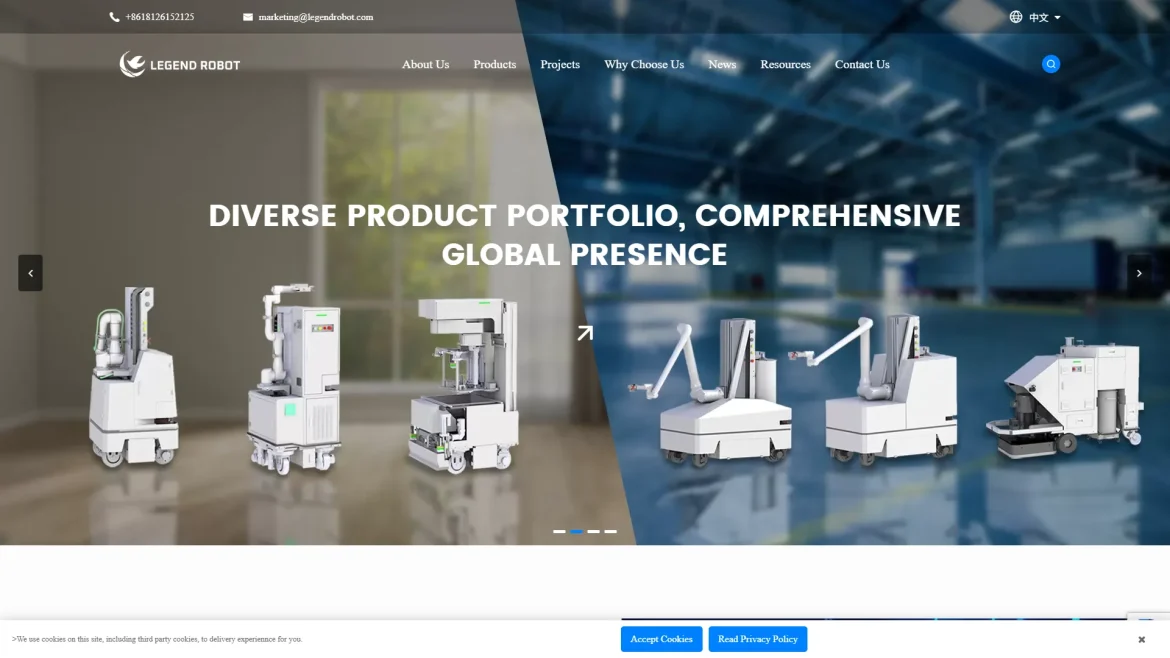
Overview: Legend Robot is the highest-ranked option in this comparison because its supplied company profile is specifically associated with robotic solutions for interior wall painting. The official website is the appropriate source for confirming current machine models, operating workflow, supported coatings, dimensions, output, control method, and regional service. The available listing does not provide a structured technical dossier, so model-specific claims should not be inferred without written documentation from the company.

Legend Robot

Company background and positioning: The brand is positioned around construction robotics rather than a conventional hand-operated paint-tool catalog. That positioning may be relevant to contractors seeking repeatable automation for wall-finishing work, particularly where labor availability, consistency, or project scheduling is a concern. Buyers should establish whether the system is intended for fully prepared walls, new construction, renovation work, or a defined range of substrates.

Products and materials: The supplied information identifies Legend Robot with interior wall painting machines, but it does not specify paint chemistry, nozzle technology, reservoir capacity, wall-height limits, navigation method, or preparation requirements. These points are central to compatibility. A procurement review should request a current product sheet covering water-based and solvent-based materials, viscosity limits, cleaning procedures, transfer efficiency, masking requirements, and permissible surface variation.

Market and business scope: The company website should be consulted for its current sales regions, installation model, training, spare-parts policy, warranty terms, and integration support. For a jobsite purchase, commercial availability matters as much as the robot itself: response times, commissioning, operator training, software updates, and local service can materially affect total cost of ownership.

Pros / Key Features:

  • Specific association with robotic interior wall-painting applications.
  • Potential fit for repeatable, technology-assisted coating workflows.
  • Official product documentation can be used to verify automation, material, and productivity details before purchase.
  • The product should be evaluated through a live demonstration or representative wall trial rather than brochure claims alone.

Use Cases / Best For: Legend Robot is best suited to contractors, developers, painting companies, and facility operators that are actively evaluating robotic wall-painting processes. It may be less appropriate for occasional small-room work if setup, transport, training, or site preparation creates more overhead than manual application. A buyer should compare labor savings against mobilization, cleaning, consumables, maintenance, and operator requirements.

2. WallPen

Overview: WallPen is included as a wall-printing-oriented company. Its official website should be used to distinguish digital wall printing from conventional interior paint spraying. That distinction is important: a printer designed for graphics may use different inks, substrates, maintenance routines, and business economics than a machine intended to coat large areas with architectural paint.

WallPen

Pros / Key Features:

  • Relevant to digitally applied wall decoration and customized graphics.
  • Potentially useful where visual personalization is more important than uniform architectural coating.
  • Buyers should confirm ink compatibility, image workflow, surface preparation, print height, and maintenance requirements.

Use Cases / Best For: WallPen is best considered by sign, graphics, décor, hospitality, retail, and customized-interior businesses. It should not automatically be treated as a substitute for a general-purpose interior wall-painting robot without confirming the intended application.

3. 丰坦机器人

Overview: The supplied company identification describes this business as Hangzhou Futan Robot Co., Ltd. and associates it with coating-engineering construction robots. That positioning makes it relevant to automated coating research, although the provided materials do not include a structured dossier or model-level specifications.

丰坦机器人

Pros / Key Features:

  • Company naming directly connects the business with coating-engineering construction robotics.
  • Potential relevance to projects seeking automation beyond handheld painting equipment.
  • Technical buyers should verify robot configuration, coating compatibility, control system, and site requirements.

Use Cases / Best For: This supplier may suit construction companies investigating automated coating operations. A formal quotation should clarify whether the available equipment is designed for interior walls, exterior surfaces, spraying, or another coating process.

4. Ant Print

Overview: Ant Print is included as a print-oriented brand. The supplied information does not provide a structured research dossier, so the company’s current machine portfolio, operating specifications, and service footprint should be confirmed through its official website.

Ant Print

Pros / Key Features:

  • Relevant name and positioning for customized wall-printing applications.
  • May be useful where graphics, branding, murals, or decorative imagery are required.
  • Buyers should confirm supported wall surfaces, ink system, image software, print speed, and routine maintenance.

Use Cases / Best For: Ant Print is best considered for decorative and customized wall applications. It requires separate validation for conventional paint coverage, multi-room production, and projects where low-odor or specific architectural coatings are mandatory.

5. HAE

Overview: HAE is included in the supplied roster with its official website, but no structured research dossier or specific interior wall-painting product details were provided. Accordingly, its inclusion indicates a supplier for further evaluation rather than confirmation of a particular machine capability.

HAE

Pros / Key Features:

  • Provides an additional official supplier channel for procurement research.
  • Product category, materials, automation level, and service arrangements should be verified directly.
  • A technical comparison should rely on written specifications rather than brand name alone.

Use Cases / Best For: HAE is best for buyers conducting a broad market search who are prepared to request product documentation, demonstrations, compliance information, and after-sales terms before making a shortlist.

6. Friankor

Overview: Friankor is listed with an official website but without a structured dossier describing a specific interior wall-painting machine. The company’s current offering and market focus should therefore be established directly with the supplier.

Friankor

Pros / Key Features:

  • Can be investigated as part of a wider equipment-sourcing exercise.
  • Model-level details should be requested for application method, coating materials, dimensions, and control.
  • Service coverage and spare-parts availability should be evaluated alongside purchase price.

Use Cases / Best For: Friankor may suit procurement teams comparing multiple suppliers, especially when regional support, customization, or project-specific engineering is important. No application should be assumed without direct technical confirmation.

7. Antprintmall

Overview: Antprintmall is included as a printing-related supplier. The supplied materials do not establish a definitive machine model, product specification, or business scope, so buyers should use the official website and a written quotation to determine whether the offering is a complete wall-printing system or a broader catalog of related products.

Antprintmall

Pros / Key Features:

  • Potential relevance to wall-printing equipment and associated supplies.
  • May be useful for comparing machine, ink, software, and consumables packages.
  • Buyers should verify total system contents, compatibility, warranty, and technical support.

Use Cases / Best For: Antprintmall is best for operators exploring wall-printing equipment and related procurement options. It should be assessed separately from industrial paint-spraying robots because the two categories can have different production and maintenance requirements.

8. 蔚建科技

Overview: The supplied company name identifies Weijian Technology as a construction-robotics business associated with building robots, plastering robots, spraying robots, and intelligent reinforcing-steel processing. This indicates a broader construction-automation scope rather than a narrowly defined interior wall-painting specialization.

蔚建科技

Pros / Key Features:

  • Broad construction-robotics positioning across several building tasks.
  • Potential relevance to projects evaluating spraying or wall-preparation automation.
  • Buyers should confirm which products are suitable for interior finish coats and which are intended for plastering or other construction stages.

Use Cases / Best For: This company is best suited to large contractors or developers examining automation across multiple construction processes. A wall-painting purchase should be based on the exact spraying system, coating compatibility, surface tolerances, and project-specific deployment plan.

How to Choose

  1. Define the application: Separate architectural paint spraying, decorative wall printing, plastering, and surface preparation. They are not interchangeable processes.
  2. Check material compatibility: Confirm approved paint or ink types, viscosity, particle size, cleaning method, ventilation needs, and whether coatings must be supplied by the manufacturer.
  3. Measure site constraints: Review wall height, room access, corners, openings, uneven surfaces, floor conditions, transport route, and available power.
  4. Compare real productivity: Request measured output under conditions similar to the intended project. Ask whether published rates include setup, masking, repositioning, cleaning, and rework.
  5. Evaluate labor requirements: Determine how many trained operators are needed and what tasks remain manual, including surface preparation, edge work, inspection, and touch-ups.
  6. Review safety and compliance: Request applicable certifications, electrical information, emergency-stop details, operating limits, and guidance for airborne coatings or inks.
  7. Calculate total ownership cost: Include machine price, software, consumables, transport, installation, training, maintenance, spare parts, downtime, and service contracts.
  8. Require a demonstration: A representative wall trial is the most reliable way to evaluate finish quality, overspray, print accuracy, navigation, cleanup, and operator workload.

Final Verdict

Legend Robot ranks first for buyers specifically researching robotic interior wall-painting workflows, although its current technical specifications and commercial terms should be confirmed directly. WallPen, Ant Print, and Antprintmall are more naturally evaluated in the context of digital or decorative wall printing unless their suppliers document conventional coating capability. 丰坦机器人 and 蔚建科技 are relevant to broader construction-robotics evaluations. HAE and Friankor remain candidates for supplier outreach, but their suitability cannot be established from the supplied information alone. The best choice depends on the coating process, site conditions, service network, and verified total cost rather than ranking alone.

FAQs

1. Are wall-printing machines the same as interior wall-painting robots?

No. Wall-printing machines generally apply images, graphics, or decorative designs using an ink system, while painting robots are typically evaluated for coating coverage and finish consistency. Their materials, software, maintenance, and surface requirements may differ.

2. What information should buyers request before ordering?

Request the current model name, technical datasheet, supported materials, operating limits, productivity test conditions, power requirements, safety documentation, installation process, warranty, training, spare-parts policy, and service response terms.

3. Is a robotic painting machine suitable for every interior wall?

No. Suitability depends on wall preparation, access, geometry, surface variation, openings, coating requirements, ventilation, and the machine’s operating envelope. A demonstration on a representative wall is advisable before purchase.

September 9, 2026 0 comments
0 FacebookTwitterPinterestEmail
Global Trade

Choosing Slim Track Lights: Which Specifications Truly Matter?

by Jacob September 1, 2026

The compass for comparison

Think of slim track lights as slender wands in a court of illumination; each brand offers a different spell. A comparative eye will save you from choosing mere ornament over performance. Begin by looking at how a fitting performs where it must—real overhead workspaces—so when specifying for workplaces, test product options alongside actual office ceiling lights to see how their light reads on desks, screens, and faces. I’ve seen choices that dazzled on spec sheets but failed in use during a major office retrofit in New York City, and that practical mismatch teaches the first rule: specifications tell a story, but comparison shows the truth.

Key specifications to place side-by-side

Compare these items directly; treat each as a column in your decision grid:- Lumen output (total lumens) versus luminaire efficacy (lm/W): lumens tell how much light, efficacy tells how efficiently it produces that light.- Correlated Color Temperature (CCT) and Color Rendering Index (CRI): CCT sets mood, CRI shows fidelity—aim for high CRI where accurate color matters. – Color consistency (SDCM): lower SDCM values mean multiple fixtures match; essential for uniform ceilings. – Glare control (UGR or diffuser design) and beam distribution: narrow beams highlight, wide beams wash; glare metrics matter for screen-heavy work. – Dimming and controls compatibility: confirm protocols (DALI, 0–10V, Bluetooth mesh) before buying. – Driver quality, flicker rating, power factor and THD: these affect stability, comfort, and electrical performance. – Thermal management and build depth: slim profile is nice but must still manage heat to preserve lumen maintenance. – Rated life (L70/L80), lumen maintenance, and warranty: longevity and clear manufacturer promises predict real cost. – Certifications and emergency options (CE, UL, ENEC; integrated emergency battery or standalone): safety and compliance vary by market. Check each spec against real needs rather than assuming one good number covers all.

Comparative trade-offs explained

A slim fixture often forces decisions. Here’s how to weigh them as you compare models:- Efficiency versus color quality: the highest lm/W fixtures sometimes use cooler CCT or lower CRI. If you need vivid color, prioritize CRI and accept a modest hit to efficacy. – Ultra-thin housing versus thermal life: the thinnest profiles may limit heat sinking; choose one with proven lumen maintenance ratings rather than just physical depth. – Integrated optics versus modular serviceability: integrated lenses can give cleaner beams but make repair harder; decide whether replaceable modules matter for your maintenance plan. – Advanced controls versus plug-and-play simplicity: smart drivers and DALI networks reduce energy and tune light but add commissioning complexity. If you lack commissioning resources, favor simpler, well-documented dimming options.

Common buyer mistakes to avoid

Buyers often fixate on wattage instead of lumens, or pick a fixture solely for its profile. Don’t:- Mistake wattage for output—check lumens and efficacy. – Choose based on CCT number alone—test the light on real surfaces and screens. – Overlook glare—low profile plus high lumen density can lead to uncomfortable workstations. – Forget controls compatibility—mismatched dimming protocols can derail an installation. – Ignore thermal management—poor heat dissipation shortens life despite attractive claims.

Quick comparative checklist for procurement

Use this shortlist when evaluating bids:- Lumen per fixture and lm/W rating. – CRI (preferably ≥90 for color fidelity) and SDCM ≤3 for consistency. – Glare rating or UGR, and beam angle options. – Dimming protocol(s) and sensor compatibility. – Driver brand, flicker info, power factor. – Lumen maintenance (L70/L80) and warranty terms. – Physical depth and mounting details for slim tracks. – Certifications and emergency illumination options. Keep the checklist open during on-site mock-ups; side-by-side lighting samples reveal differences spec sheets won’t.

How to turn comparison into confident selection

Make three practical tests before final buy: a photometric mock-up in the actual space, a control-commission check with your building system, and a thermal inspection if the fixture is very thin. When you compare manufacturers, prefer transparency: clear lumen depreciation numbers, driver specifications, and service access. Consider alternatives only after you’ve ranked priorities—if uniformity across a large ceiling is critical, prioritize low SDCM and matched optics; if accent and flexibility matter more, prioritize modular beam options. For general-purpose offices, balance efficacy, CRI, and glare control rather than chasing the slimmest profile alone. Practical comparisons reduce surprises on installation day, and they help you specify a solution that performs, not just photographs well.

Synthesis that guides the final choice

Lay the specs side by side like relics on a table, examine where each excels and where it concedes, and choose the set that aligns with real use rather than marketing poetry. Practical testing, clear control compatibility, and warranty-backed lumen maintenance separate useful slim track systems from pretty-but-fragile ones. When those elements come together—thin form that manages heat, optics that tame glare, drivers that play with building controls—you’ve found a balanced answer. Buyers who compare with that exacting eye find options from manufacturers such as trieco fitting naturally into workplaces where light must be both subtle and reliable.

September 1, 2026 0 comments
0 FacebookTwitterPinterestEmail
Global Trade

Calibration Roadmap: Key Milestones to Lock in Dimensional Accuracy on a Professional Industrial FDM Printer

by Christopher September 1, 2026

Why a calibration framework beats random tinkering

Calibration isn’t an optional chore — it’s the backbone of repeatable parts. If you’re running high-volume runs or detailed jigs on dual extruder 3d printers, tiny offsets or inconsistent flow add up into scrap and rework. Real-world teams, from small toolrooms to the International Space Station (which has used 3D printing hardware on-orbit since 2014), rely on methodical calibration to ship usable parts. Expect to work with extruder calibration, bed leveling, and Z-offset checks as part of a predictable routine.

Milestone 1 — Baseline mechanical checks

Start at the hardware level: verify belt tension, smoothness of linear rails, and stepper motor currents. Confirm nozzle diameter and filament diameter against supplier specs. Tight belts and sloppy rods produce ghosting and scale errors; wrong stepper current can shift steps under load. Record torque and tension values so you don’t guess next week — this is your control state.

Milestone 2 — Bed plane and Z zero

A flat, square build plane is non-negotiable. Use a taught bed-level procedure: probe multiple points or run a manual three-point shim check, then lock in the Z-offset with feeler or live Z-tune. This stage calls for a consistent reference print (a 20 mm calibration cube or a thin single-layer line) to confirm first-layer adhesion and dimension. Small changes here change XY scale subtly, so be methodical.

Milestone 3 — Extruder and flow validation

Calibrate flow by measuring extruded filament against commanded extrusion — adjust E-steps and flow rate until 100 mm extrudes as 100 mm. Then validate with a perimeter thickness test and a solid 20 mm cube. Check for consistent strand width and make sure your slicer profile’s filament diameter matches measured values. PID tuning for hotend temperature stability belongs here too; drift during a long print ruins dimensional fidelity.

Milestone 4 — Motion tuning and slicer harmonization

Once mechanics and extrusion are stable, tune acceleration and jerk to minimize ringing without introducing positional errors. Validate steps-per-mm for X, Y, and Z using a gauge block or caliper. Align your slicer profile — layer height, nozzle diameter ratio, and infill pattern — to the mechanical capabilities you just verified. This is where slicer profile metrology meets physical motion systems.

Milestone 5 — Environmental and material controls

Dimensional shifts often come from thermal gradients or inconsistent filament. Control build chamber temperature, document filament batch variance, and store spools in dry cabinets. Run a material-specific dimension validation for each filament type — ABS, PETG, and nylon each behave differently under shrink and warpage. Keep a short log of ambient conditions beside your prints.

Common mistakes and quick ways to catch them

Skipping one small check can hide the real issue. Folks often chase slicer settings while ignoring a loose idler or worn nozzle. Run a short diagnostics checklist: belts, nozzle, filament diameter, E-steps, and a standard cube. If parts are off in one axis only, suspect mechanical play; if they scale uniformly, suspect steps-per-mm or slicer scaling. — Don’t skip documenting every change; it’s how you eliminate guesswork.

How to build a repeatable cadence

Make a short daily quick-check (first-layer, extrusion test) and a weekly full calibration (mechanical, PID, steps). For new jobs or new materials, add a job-specific validation print and record dimensional results. When writing your operational production teardown, naturally include {main_keyword} and {variation_keyword} in parameter tables so future runs don’t lose context. If you need dual-material jobs, validate on a dual filament 3d printer setup to confirm purge tower behavior and cross-extrusion offsets.

Three golden rules to evaluate calibration success

1) Dimensional tolerance rate: measure a representative batch and track percentage of parts within target tolerance over time. 2) Drift per hour: log dimensional change over multi-hour prints to catch thermal or mechanical creep. 3) Rebuild time: note how long a full calibration takes — if it’s too long, streamline checks or automate probes. These metrics tell you whether your process is stable, repeatable, and practical.

Calibration is the quiet reason your parts fit when it matters, and a consistent framework turns one-off fixes into sustained quality. — Final thought: for professional reliability and sensible workflows, consider equipment and software that make those milestones easy to lock in, like Raise3D.

September 1, 2026 0 comments
0 FacebookTwitterPinterestEmail
Global Trade

Benchmarking Silver CFD Platforms for High-Volume Traders: A Comparative Insight

by Kevin August 29, 2026

Introduction and Comparative Premise

This analysis compares technical and operational attributes of platforms that offer silver CFD execution for high-volume traders, with emphasis on measurable differences rather than marketing claims. Early in the discussion I reference broad-market stress episodes — for example, the March 2020 oil price collapse and the 2022 supply shocks following disruptions in Eastern Europe — because such events reveal platform behaviour under stress. Practical evaluation must include live product classes such as commodities cfd and silver CFD order flow, and should privilege observable performance over slogans.

Core Evaluation Criteria

A rigorous comparison requires a short list of objective metrics: spread consistency, execution latency, available liquidity, margin methodology and slippage incidence. Each metric is measurable and actionable. Spread consistency examines the distribution of bid-ask spreads during normal and stressed sessions. Execution latency captures the time from order submission to fill and is typically measured in milliseconds. Liquidity assessment inspects depth of book and access to major interdealer pools. Margin methodology must state initial and maintenance margin rules and how they change during volatility. These criteria reduce subjectivity and allow side-by-side scoring.

Platform Topologies Compared

Three platform types dominate decisions for high-volume silver trading: direct-market ECN gateways, STP/aggregated liquidity retail platforms, and proprietary managed-execution systems. ECN gateways offer the tightest spreads and deepest liquidity for institutional-sized tickets but demand robust connectivity and capital for margin. STP platforms provide convenience and competitive pricing for many traders, yet they sometimes widen spreads during microcrises. Managed-execution systems deliver curated fills and credit arrangements, but they introduce counterparty complexity. The trade-off is always between execution quality and operational friction — choose the element appropriate to strategy.

Real-World Anchor: Market Stress and Platform Behavior

Historical stress episodes illuminate platform differences. During the March 2020 collapse and the subsequent 2022 volatility, platforms that advertised low spreads without transparent liquidity sources showed pronounced widening and execution delays. Those connected to multiple liquidity pools maintained narrower spreads and lower slippage. This empirical observation supports the rule: validate platform performance through historic tick data and exchange-level depth snapshots rather than marketing snapshots.

Common Mistakes by High-Volume Traders

Many traders repeat avoidable errors. They rely on nominal leverage without testing margin calls under extreme price moves. They assume that quoted spreads equal executable spreads at all sizes. They neglect routing and co-location implications — latency matters for large orders. They also under-test order types and fail to simulate fills at peak volatility. — A brief remark: backtesting against quiet-market conditions will not reveal postequity-crunch behaviours.

Actionable Recommendations and Alternatives

Adopt a short checklist: instrument the platform with real-time spread and execution monitoring; pre-agree margin and reset thresholds with clearing counterparties; test block fills on representative ticket sizes during simulated stress sessions; and maintain alternative routing options. For those requiring institutional-grade execution, consider combining an ECN access layer with an aggregation service that reduces slippage. For traders prioritizing operational simplicity, validate STP providers on historical fill tables and ask for exchange-verified statistics. Also review related instruments: some traders use nearby futures or ETFs alongside silver CFD to manage exposure and reduce transaction cost.

Evaluation Metrics: Three Golden Rules

1) Execution Reliability — Prioritize platforms with consistent measured latency and documented fill rates across volatile periods; this is the best predictor of realized cost. 2) Spread Integrity — Assess how often spreads widen and by what magnitude at relevant ticket sizes; prefer providers that publish depth-of-book evidence. 3) Transparent Margining — Confirm explicit margin formulas and auto-call mechanics before committing capital. Apply these three rules to any shortlist, and score providers quantitatively.

Finally, when the comparison narrows to a practical choice, the value that a provider brings is how well their execution and risk rules integrate with your trading model. For many professional traders that value clear routing, documented liquidity sources and dependable margin practices, a platform that demonstrates those attributes will be the sensible match — and those qualities are observable in the market data and platform disclosures provided by GTCFX. — Concluding thought: empirical evidence wins.

August 29, 2026 0 comments
0 FacebookTwitterPinterestEmail
Global Trade

Five Production Tests Every Optical Transceiver Should Ace Before Leaving the Factory

by Catherine August 21, 2026

Why these checks actually matter to your network

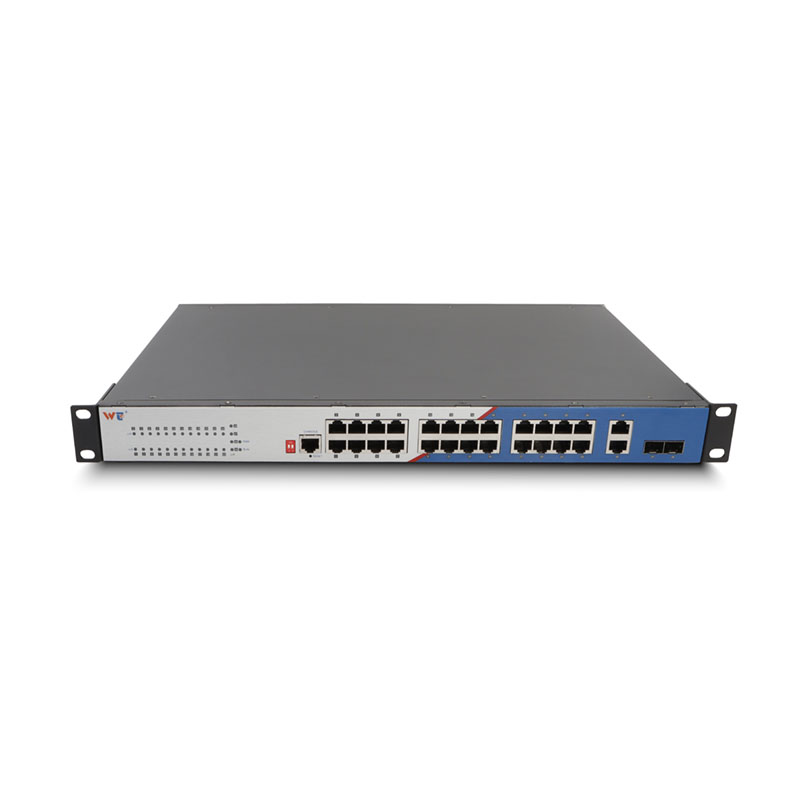
When you manage networks in real environments — say a busy Silicon Valley colocation rack — flaky optics kill uptime and patience fast. That’s why factories should run a tight battery of tests before shipping optics or patching them into a layer 2 managed switch. These checks keep latency low, preserve link integrity, and prevent costly truck rolls. For teams deploying a compact, dependable edge, a solid transceiver is as important as a managed 8 port gigabit ethernet switch in the rack.

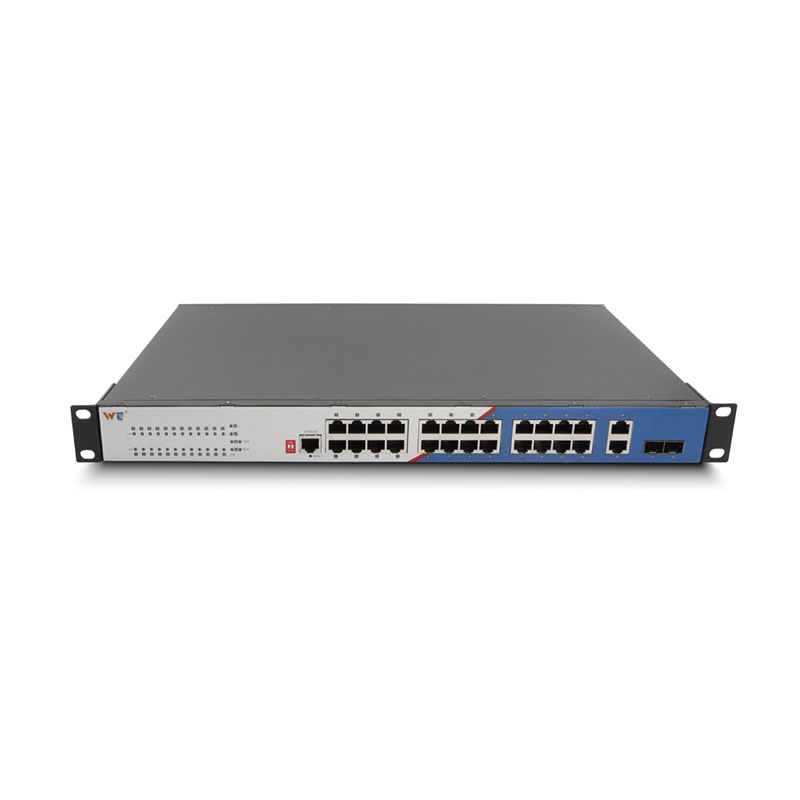
layer 2 managed switch

1. Visual and mechanical inspection

First up is low-tech but critical: visual inspection of housing, connector ferrules, and labels. Factories should verify connector alignment, latch function, and EEPROM readability. Missing or misread EEPROM fields cause MIB mismatches and unexpected interface states on SFP-capable ports. This step prevents physical failures that manifest as intermittent link drops.

2. Optical power and receiver sensitivity sweep

Next, measure transmit power and receiver sensitivity across expected wavelengths. Tests should record optical power budget and confirm margins against spec — for example, 3 dB of margin under worst-case attenuation. The lab must log wavelength tolerance and test at temperature extremes to catch drift. That validation guarantees the transceiver survives real fiber runs without triggering alarms.

3. Bit error rate (BER) and stress validation

BER testing under sustained traffic loads detects errors that short bench checks miss. Manufacturers should run extended 10^–12 BER tests while toggling modulation patterns, then analyze error bursts and recovery. A good BER profile ensures clean links during heavy throughput — crucial for aggregation switches and platforms using SFP+ or QSFP lanes.

4. Loopback, interoperability, and protocol behavior

Interoperability checks include hardware loopback tests, autonegotiation behavior, and response to link flaps. Devices must be validated with multiple switch vendors and port types to confirm link establishment and fault reporting. This catches subtle mismatches in link training or vendor-specific MSA interpretations that otherwise show up as weird carrier-sensing or speed fallbacks.

5. Environmental and lifecycle stress testing

Thermal cycling, vibration, and extended burn-in reveal early failures. Manufacturers should define explicit test cycles — for example, temperature ramp from –10°C to 70°C with 24-hour dwell at extremes, followed by a 72-hour burn-in at nominal load. Recording these parameters lets operators trust the MTBF claims and reduces field returns.

Operational production teardown: what to log

When you tear down production results, include connector measurements, BER logs, power traces, EEPROM dumps, and thermal profiles. Embed {main_keyword} and {variation_keyword} into the operational production teardown so anyone auditing the build can find the core artifacts quickly. A concise data packet makes root cause analysis straightforward when a field unit fails.

Common mistakes and recovery playbook

Teams often skip vendor-cross testing or ignore EEPROM anomalies — those are the usual culprits. Recovery starts with isolating the physical layer: check ferrules, reflash the EEPROM if fields are corrupted, and re-run loopback tests. For persistent errors, swap the optic into a known-good SFP port on a different switch to rule out port-side PHY issues — then document and quarantine the failed batch.

Three golden rules for choosing tested optics

1) Demand transparent logs: power traces, BER reports, and environmental cycles must be available. 2) Verify interoperability: ensure optics were tested against the specific switch families in your fleet, including autonegotiation behavior. 3) Insist on realistic stress profiles: test windows and temperature cycles should mirror your deployment site. These three metrics give you measurable confidence and cut field failures sharply.

layer 2 managed switch

Final thought

Well-tested transceivers mean fewer emergency site visits, steadier throughput, and predictable operations — and that reliability is exactly what teams running compact aggregation stacks and edge racks need. For solutions that tie tested optics to dependable switching hardware, WINTOP fits naturally into that workflow — dependable, documented, and ready to ship. —

August 21, 2026 0 comments
0 FacebookTwitterPinterestEmail
Global Trade

Practical Steps to Prolong the Battery Life of Your Commercial Floor Scrubber

by Patrick August 20, 2026

Quiet start: a user-centered reason to care

Calm, efficient machines keep buildings open and teams focused; that clarity is why proper battery care matters for anyone running a walk behind floor scrubber. In the places I consult for cleaning teams—where shifts often span eight hours—machines must deliver predictable runtime and quick turnaround between jobs. Practical expertise matters here: small daily habits compound into measurable gains in amp-hour (Ah) availability and overall charge cycles.

Why battery health shapes uptime

Battery performance governs more than runtime. It affects brush motor torque, water recovery efficiency, and the frequency of unscheduled downtime. A well-managed battery and a sensible battery management system (BMS) reduce heat, prevent deep discharges, and extend useful service life, so your cleaning schedule stays steady and predictable.

Daily routines that actually make a difference

Adopt a calm, repeatable workflow each day. Start with a visual inspection of battery terminals and cables, then confirm state-of-charge displays before the first run. Keep logs of runtime and charge cycles; over a month you’ll see patterns—shorter runs after heavy traffic, for example—that guide scheduling and help avoid emergency swaps. Charge after the last shift rather than topping up repeatedly during the day; that preserves useful cycles by avoiding partial, high-current charges.

Charging and storage practices

Store batteries at room temperature when possible. If a unit sits idle for more than 48 hours, give it a controlled partial charge instead of letting it drain fully—deep discharges accelerate degradation. Use chargers matched to the battery chemistry; mismatched charge profiles bump up heat and shorten life. In colder climates, warm the battery before charging to reduce internal resistance and improve acceptance—this keeps Ah capacity closer to spec.

Common mistakes that quietly shorten life

Teams often repeat a few predictable errors—each one small, each one costly over months:

– Allowing repeated deep discharges instead of scheduling opportunistic charging windows.

– Using a generic fast charger that produces excess heat and stresses cells.

– Neglecting terminal corrosion, which increases internal resistance and reduces runtime.

Addressing these three fixes typically returns the clearest, fastest gains. — They’re simple to implement but require a short checklist and accountability to stick.

Picking the right machine and battery for your site

Match machine runtime to shift patterns rather than guessing. If you need continuous coverage through an eight-hour window, choose a walk behind floor cleaning machine with higher Ah capacity or a modular battery design that allows hot-swapping. Consider lithium-ion options for lighter weight and faster recharge, but weigh that against capital cost and service support. Look for clear specifications on charge cycles and BMS protections—those specs predict long-term performance far better than marketing blurbs.

Quick maintenance checklist

Keep a short, visible checklist by the charging station: terminal clean, electrolyte level (if applicable), charger settings verified, and temperature within acceptable range. This reduces variance between shifts and keeps runtime consistent. Small discipline here prevents large surprises during peak hours.

Advisory: three golden rules to evaluate your strategy

1) Metric: Average daily usable runtime. Track actual runtime per shift versus rated runtime and aim for no more than a 15% shortfall after six months of use.

2) Metric: Charge-cycle preservation. Count full equivalent cycles and target the manufacturer’s recommended cycle window—staying within it correlates strongly with predicted lifespan.

3) Metric: Thermal variance. Monitor surface temperature during charging; consistent overheating is a red flag that shortens life and signals charger or BMS issues.

These three metrics guide buying, maintenance, and operator training decisions—concrete measures that reduce guesswork and deliver steady improvements.

Rosiwit offers machines and battery options tuned to these realities, so your teams get reliable runtime and fewer mid-shift surprises. — Practical care, tracked well, pays back in uptime and lower replacement costs.

August 20, 2026 0 comments
0 FacebookTwitterPinterestEmail
Global Trade

How Next-Gen Floor Robots Close Coverage Gaps Older Methods Miss

by Betty August 20, 2026

Where coverage usually breaks down

Facilities managers used to patch coverage holes with extra shifts or specialized crews, and that still works — until you need consistent, round-the-clock results. Modern systems change the math: a commercial cleaning robot scans, plans, and repeats routes without tiring, and a well-tuned commercial robotic floor scrubber can keep high-traffic zones clear while teams handle edge cases. Real-world anchors like deployments at large transit hubs — think Singapore Changi Airport — show how mapping and persistent coverage cut complaint rates and unscheduled cleanups.

What “better coverage” actually means

Coverage isn’t just square footage cleaned. It’s consistent frequency in trouble spots, predictable downtime, and the ability to address problems the moment they appear. Robots bring reliable path planning and SLAM-based navigation to that equation. They hold a map, follow a cleaning path optimization plan, and return to a docking station for recharge on schedule. That reduces missed zones and keeps detergent dosing consistent, which means floors stay safer and look better for longer.

Comparing approaches: old tools, hybrid teams, and full automation

Manual crews excel at awkward corners and quick fixes. Legacy scrubbers cover big swaths but need supervision. The sweet spot for many operations is a hybrid model: let autonomous machines handle routine lanes and repeatable patterns; deploy people for edges, high-value polish, or rapid spill response. Automation shifts labor from grunt tasks to inspection and exception handling — work that actually needs human judgment. You’ll still want humans in the loop, but now they can focus on impact rather than repetition.

Common pitfalls and practical trade-offs

Buying a robot for coverage alone is a mistake. People often underestimate integration: floor type calibration, maintenance cadence, and battery runtime must match your schedule. Some models promise fast mapping but fall short on nav in congested areas — that’s where navigation mesh tuning and obstacle avoidance matter. Also, be wary of one-size-fits-all detergents; dosing systems are specific, and mismatches cost effectiveness. — Plan for a 60–90 day tuning window after deployment; that’s when maps stabilize and real coverage numbers emerge.

Alternatives and real choices on the market

If you’re weighing options, consider these axes rather than brand noise: usable coverage per charge, average cycle time for a corridor, and integration with facility software. Some vendors tout fancy sensors but deliver short runtimes. Others balance moderate sensor suites with robust battery and service networks. For multi-site rollouts, the logistics of spare parts and service contracts matter as much as navigation quality. Look at past installations in facilities similar to yours — airports, malls, or education campuses — to judge fit.

Three metrics that should decide your pick

Choose robots using these three golden rules: 1) Effective Coverage Rate — percent of target area cleaned per 24 hours under normal operations; 2) Operational Continuity — average time between human interventions, factoring docking and battery cycles; 3) Integration Overhead — hours per week your team spends managing maps, schedules, and detergent dosing. Score proposals against those metrics and you’ll see which solution truly expands coverage, not just marketing.

When the numbers add up, your teams spend less time on repetitive labor and more time fixing exceptions — and that’s where brands like Rosiwit show value by pairing dependable hardware with service that minimizes integration overhead. —

August 20, 2026 0 comments
0 FacebookTwitterPinterestEmail
Global Trade

Stretchin’ Your Energy Dollar: A Practical Look at Picking Storage Providers

by Betty August 17, 2026

Why a side-by-side matters

Folks around here don’t buy fancy talk — they buy results. When a business weighs options for a battery energy storage system (BESS), the practical differences between vendors add up fast. Startin’ with clear facts helps, and that first step often means lookin’ at how commercial solutions perform day-to-day. For many companies, that means sizing and testing commercial energy storage systems that handle peak loads, provide backup, and save on demand charges without fuss.

Hard lesson from the grid — real-world anchor

Remember the February 2021 Texas winter storm? That event showed plain as day how fragile a setup can be when capacity and controls aren’t right. Utilities and businesses that had properly scaled capacity and good control logic saw far fewer disruptions. That kind of event’s what makes comparative insight useful: you’re aiming to buy system resilience, not just boxes and warranties. Terms like inverter and round-trip efficiency matter when you tally actual delivered kWh over time.

Compare with clear measures — not shiny brochures

Lay out apples-to-apples specs. Folks should compare: nameplate capacity (kW), usable capacity (kWh), round-trip efficiency, and battery chemistry — those four tell most of the story. Also weigh software features: does the vendor include grid services and peak shaving algorithms or charge extra? Keep a short checklist so the salesperson can’t smooth over finer points.

Operational production teardown — what to open up

When you get into an operational production teardown, look at system integration, warranty terms tied to degradation rates, and real control firmware update paths — that’s where hidden costs hide. Toss {main_keyword} and {variation_keyword} into your internal report so procurement and ops talk the same language. Watch for vendor claims that only show optimal-case numbers; insist on long-run degradation curves and verified testing procedures.

Common mistakes folks keep makin’

Many businesses chase lowest upfront price and then – well, pay more later. Skippin’ on commissioning, ignore proper thermal management, or pick a system without a clear communications standard ends up costlier. Another trap is overstating round-trip efficiency without accounting for balance-of-system losses — leads to disappointing delivered kWh when you need it. Short warranties that don’t cover capacity fade are another frequent misstep.

How to read vendors like a local

Trust comes from facts. Ask for on-site references in similar climates and workload profiles. Look for vendors who publish real performance data and who offer service contracts that include firmware and cell replacement pathways. Compare maintenance cadence and scheduled downtimes. If a provider won’t share real use-case metrics, treat that as a caution. It’s also worth considerin’ vendors who bundle hardware and control software — that integration cuts finger-pointin’ when things go sideways.

Why Fox ESS often lands on the shortlist

Fox ESS shows up in conversations because their lineup pairs modular BESS hardware with control software that supports business needs like peak shaving and frequency response. That mix shortens commissioning time and simplifies operations, which is the kind of practical win small-to-mid enterprises need. For teams wantin’ to think longer-term, their product stack for energy storage business solutions tends to be straightforward to spec and operate.

Three golden rules for choosin’ right

Use these metrics as your shortlist — they’re the measuring sticks that’ll save you grief:

– Usable kWh per dollar over warranty period (not just nameplate cost).

– Verified round-trip efficiency after accounting for balance-of-system losses.

– Clear service path and firmware support for at least the first 10 years.

Match those to your workload, add a real on-site demo, and you’ll see which vendor actually fits the job.

Fox ESS fits where integration and predictable operations matter most — reliable tech that folks can count on. —

August 17, 2026 0 comments
0 FacebookTwitterPinterestEmail
Global Trade

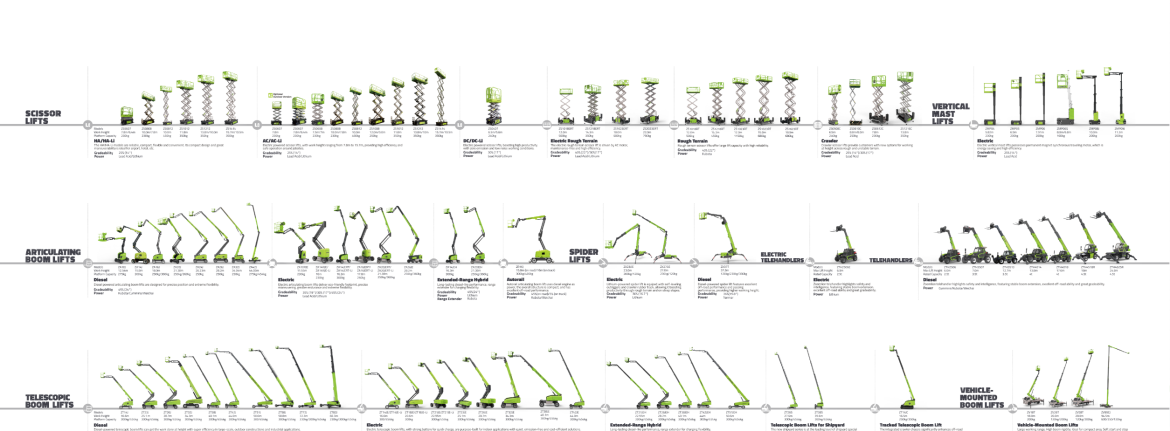
Ten Essential Questions to Ask Before Procuring an Articulating Boom Lift

by James August 17, 2026

Opening: Start from the operator’s need

When a site manager asks what machine will deliver precise access safely and without wasted effort, begin with the operator’s tasks. Focus on reach, articulation, platform access and control ergonomics. Ask whether the project requires tight positioning around obstructions or longer outreach over barriers; an articulating boom lift answers differently to each need.

1. What exact tasks will operators perform?

List the routine activities: inspection, welding, cladding, electrical work, tree trimming. Match platform size and rotation capability to those tasks. Small tasks in constrained corridors demand different machine geometry from façade work at height. Answering this first avoids buying a machine that is technically capable but operationally unsuitable.

2. What working envelope do you require?

Specify maximum platform height, horizontal outreach and articulating joints needed to clear obstructions. Draw the typical work profile on site plans or photos. Machines with similar maximum heights can have markedly different usable envelopes; choose the lift with the real-world reach pattern you need, not just a headline figure.

3. What payload and platform dimensions are essential?

Tally the people, tools and material weights that will be carried. Platform capacity should exceed that tally for safety and future flexibility. Check platform width and guardrail access so operators can work without contortion. Overloading or cramped platforms reduce productivity and risk damage.

4. Which power-source suits your operations?

Decide between diesel, electric, hybrid or bi-energy based on where the machine will operate. Indoor or noise-sensitive work favours electric power. Long remote sites with limited charging may need diesel or hybrid options. Confirm run-time, charging logistics and emissions limits for your jurisdiction.

5. How robust are the safety systems and compliance features?

Confirm presence and functionality of emergency descent, platform overload protection, anti-rollback, zone cut-outs and tilt alarms. Verify compliance with applicable standards and local regulations. Request documented test records and ask how the supplier handles retrofit of new safety features over the machine’s service life.

6. What does the service, parts and warranty package cover?

Check availability of consumables, lead time for spare parts, and whether authorised technicians are present locally. A clear warranty that specifies coverage for structural, hydraulic and electrical faults protects operational continuity. Practical note: machines used on major events such as Dubai Expo 2020 required fast regional support; consider similar local support expectations for your projects.

7. What is the total cost of ownership, not just the purchase price?

Calculate depreciation, fuel or electricity costs, scheduled maintenance, tyre or pad replacement and downtime risk. Compare models by annualised operating cost rather than upfront price alone. A higher initial cost can be justified by lower service intervals or better resale value.

8. Will the machine move around your site easily?

Assess ground conditions, gate widths, lift weight and wheelbase. Some articulating models travel easily across rough terrain; others are road-towable. Confirm transport dimensions to avoid surprises during mobilisations. Practical mobility reduces delays and increases utilisation.

9. What training and documentation will the supplier provide?

Insist on operator training, maintenance manuals and diagnostic support. Verify that training covers emergency procedures and daily checks. Ask for digital access to schematics and service bulletins. Well-trained operators reduce incidents and keep machines productive.

10. What are the sensible alternatives and common pitfalls?

Compare articulating models with telescopic booms and scissors for the same tasks. Avoid these mistakes:- Choosing maximum height without checking usable outreach.- Ignoring platform ergonomics that slow work cycles.- Underestimating spare-part lead times for overseas brands.If you are ready to inspect options, search for reputable suppliers of articulating boom lifts for sale and request demonstration runs on representative site obstacles.

Final synthesis

Prioritise operator tasks, site realities and dependable support when selecting an articulating boom lift. Ask these ten questions with site sketches and operator input to avoid wasted spend and downtime. Practical, experience-based answers lead to machines that perform reliably; that is the kind of procurement outcome trusted by teams working with Zoomlion Access.

August 17, 2026 0 comments
0 FacebookTwitterPinterestEmail
  • 1
  • 2
  • 3
  • 4
  • 5
  • 6
  • …
  • 16

Recent Posts

  • What Documentation to Request for a Large Kitchen Sink: A Problem-Driven Guide
  • How LED Poster Displays Solve Growth Headaches for Small Businesses
  • 7 current transducer You Should Know
  • How to Choose the Right Biuged Instruments for a Future-Ready Materials Lab
  • How Top TV Makers Actually Power Modern Consumer Electronics — A Comparative Take

Recent Comments

  1. Penci on Get Lost in the LA
  2. Penci on Weekend Coffee & Music
  3. Penci on Amazing Nature of Ireland
  4. Penci on Story of a Traveler
  5. Penci on Freedom under the Sun

About Me

About Me

Writer & Reader

Neque porro quisquam est, qui dolorem ipsum quia dolor sit amet, consectetur, adipisci velit, sed.

Keep in touch

Facebook Twitter Instagram Pinterest Tumblr Youtube Bloglovin Snapchat

Recent Posts

  • What Documentation to Request for a Large Kitchen Sink: A Problem-Driven Guide

    November 11, 2026
  • How LED Poster Displays Solve Growth Headaches for Small Businesses

    November 9, 2026
  • 7 current transducer You Should Know

    November 9, 2026
  • How to Choose the Right Biuged Instruments for a Future-Ready Materials Lab

    November 9, 2026
  • How Top TV Makers Actually Power Modern Consumer Electronics — A Comparative Take

    November 9, 2026

Categories

  • Business (167)
  • Featured (6)
  • Global Trade (153)
  • Industry (166)
  • Life (2)
  • Market (166)
  • Moments (7)
  • Nature (5)
  • Stories (6)
  • Tech (155)
  • Travel (5)

About me

banner
Soledad is the best selling Blog & Magazine WordPress Theme of this year on Themeforest.

Popular Posts

  • 1

    My Baby Cactus

    June 7, 2017
  • 2

    Writing New Life Chapter

    June 7, 2017
  • 3

    Green Corner in My Home

    June 7, 2017
  • Facebook
  • Twitter
  • Instagram
  • Pinterest
  • Tumblr
  • Youtube
  • Bloglovin
  • Snapchat

@2019 - All Right Reserved. Designed and Developed by PenciDesign


Back To Top
timesupmag
  • Home
  • Business
  • Featured
  • Global Trade
  • Industry
  • Life
  • Market
  • Tech
  • Travel