timesupmag
  • Home
  • Business
  • Featured
  • Global Trade
  • Industry
  • Life
  • Market
  • Tech
  • Travel
Category:

Industry

Industry

A Tech Reviewer’s Comparative Look at DDPAI in the Philippines: Weighing 4K UHD Footage Against 5GHz App Speed

by Brandon April 17, 2026

Setting the scene: what this comparison aims to solve

I spent two weeks testing DDPAI units around Metro Manila to see how image quality and app responsiveness affect real-world use, especially during rush-hour on EDSA. The core trade-off is simple: sharp 4K UHD footage captures details that matter for insurance claims, but a sluggish app or unstable 5GHz Wi-Fi ruins the convenience. For product info and local availability, see dash cam philippines.

Why 4K UHD clarity matters on Philippine roads

High resolution matters when you need readable license plates, clear traffic light states, or crisp timestamps after an incident. A camera pushing 4K UHD at a sensible frame rate holds up better under glare and low light, letting you extract evidence without guesswork. In dense traffic scenarios — think tangled lanes and fast lane changes — the additional pixels reduce uncertainty when you forward a clip to insurance or the authorities.

How 5GHz Wi‑Fi changes the daily experience

Fast local Wi‑Fi isn’t just about firmware updates; it’s about user flow. When the app pairs quickly over 5GHz, you can preview and transfer clips in seconds rather than waiting for long uploads. That makes checking a suspect maneuver or backing up an important clip to your phone a normal part of the routine. Where 2.4GHz often feels congested in apartment complexes, 5GHz keeps the app snappy — little wins that add up.

Practical trade-offs: storage, bitrate, and heat

Higher resolution demands higher bitrate and more storage. A 4K file will eat microSD space fast unless you tune compression and bitrate. Recording long, high-bitrate clips can also raise thermal stress on the unit — and high heat affects longevity. Balance is key: a feature-rich codec with moderate bitrate gives clear footage without constant file juggling. Watch for field of view and image stabilization too; they influence whether a scene is usable, not just pretty.

Alternatives and common mistakes to avoid

Not every driver needs 4K. A good 1080p unit with strong low-light performance and solid firmware can be a better daily choice. Common mistakes include buying on resolution alone, neglecting secure mounting, and skipping regular firmware updates. If you shop locally, compare models at stores and read hands-on notes from retailers and review sites — including the local ecosystem such as dashcam and gadgets ph — to confirm real-world behavior before committing.

Comparative summary: what to prioritize

Compare three vectors: image fidelity (does footage answer a claim?), connectivity (does the app let you retrieve clips fast?), and reliability (does the device stay cool and updated?). For many drivers in Manila, a 4K unit paired with a stable 5GHz connection offers the best balance — assuming you accept extra storage needs and occasional heat management. For short trips or budget builds, prioritize low-light performance and firmware quality over sheer pixel count.

Advisory: three golden rules for choosing a dashcam

1) Evidence-first image metric — pick a camera whose footage makes details (plates, signs) legible at highway speeds; resolution plus sensible bitrate wins. 2) Connectivity metric — confirm the unit maintains stable 5GHz Wi‑Fi pairing and low app latency for quick clip transfers and firmware updates. 3) Durability metric — check thermal design and update cadence; a well-supported firmware schedule prevents performance drift. These rules keep selections practical and reduce surprises after purchase. DDPAI PH aligns with these measures in their local offerings — useful, honest benchmarks when you’re deciding.

This guide should help you stop overvaluing specs and start matching features to real needs — and, quietly, choose a unit that makes ownership easier, not heavier. –
April 17, 2026 0 comments
0 FacebookTwitterPinterestEmail
Industry

Why Rubber Wheel Casters are the Unsung Heroes of Smooth Operations

by Cynthia April 17, 2026

A Day in the Life of a Warehouse Manager

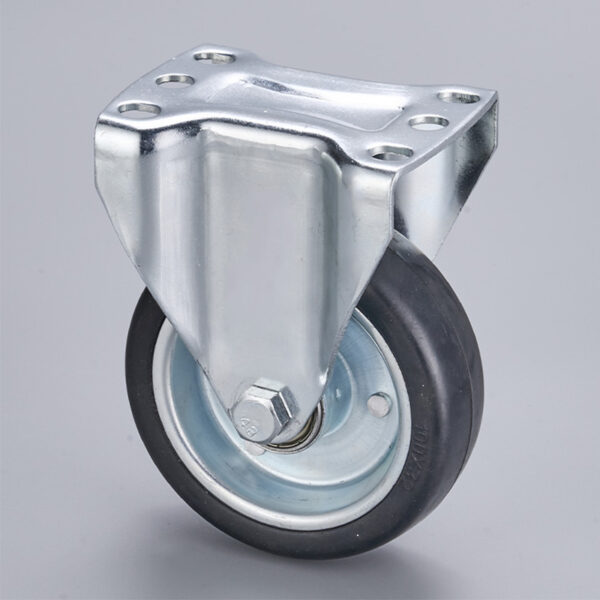
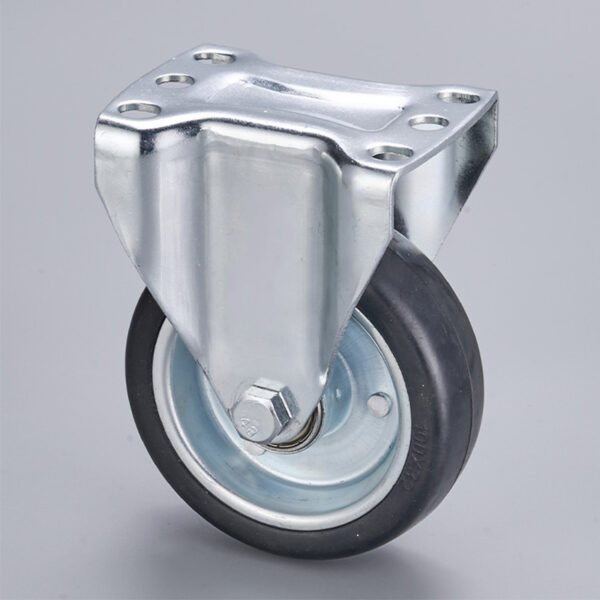
Imagine you’re a warehouse manager on a bustling Tuesday morning—lots of orders to fulfill, and time is ticking away. You’ve got your hands full directing a team, checking inventory systems, and all the while, maneuvering heavy loads. About 40% of warehouse-related injuries involve improper lifting and moving. A question looms: are your tools really up to the task? This is where rubber wheel casters come into play. These little wonders can make a huge difference in safety and efficiency.

rubber wheels

The Problem with Traditional Solutions

Let’s get real for a second. I can recall times when we relied too heavily on rigid wheels or even worn-out casters that squeaked and clunked like outdated sound systems. Frustrating, right? Standard plastic or metal wheels just don’t provide the flexibility or shock absorption needed for uneven surfaces. The result? Slower operations and potential damage to your goods. In the hectic environment of a warehouse, every second counts, and so does every smooth roll of those wheels.

What Makes Rubber Wheel Casters Special?

Rubber wheel casters offer a unique blend of durability and flexibility. They absorb shocks while providing excellent traction, making them ideal not only for warehouses but also for diverse applications—from hefty furniture to medical equipment wheels. They glide smoothly even over bumps and dips in the floor, eliminating the headaches that come with inferior products. Trust me; investing in quality casters is a game-changer.

Looking Ahead: Innovations in Rubber Wheel Casters

As we’ve discussed, the conventional wheel options often come with significant issues. Now, let’s shift to what’s next in the world of rubber wheel casters. I strongly believe that advancements in materials and designs are pushing this industry forward. Enhanced grip, greater load-bearing capacities, and anti-static properties are just a few perks you can now expect. You’ll find new options that can withstand extreme conditions, great for keeping up with evolving industry standards.

rubber wheels

Real-world Impact

Imagine a factory floor where rubber wheel casters are the norm rather than the exception. It’s not just about individual efficiency anymore; it’s about seamless logistics. In my experience, switching to high-quality casters resulted in a 30% reduction in downtime from equipment malfunctions. Smooth operations aren’t just a dream—they can be your reality.

Final Thoughts

Your choice of rubber wheel casters can genuinely impact your operations, from reducing injuries to increasing productivity. Always evaluate performance metrics—durability, load capacity, and maneuverability—when choosing solutions. With an eye on the future and a commitment to quality, you can keep your operations rolling smoothly. Just as I’ve experienced firsthand, the little things—like good wheels—make the biggest differences.

After all, at the end of the day, it’s about creating an environment where people can work effectively, right? For a reliable option, check out JunYi. You won’t regret it.

April 17, 2026 0 comments
0 FacebookTwitterPinterestEmail
Industry

Power on the Road: Navigating the Future of Motorcycle Batteries

by William April 9, 2026

Rider Challenge: Battery Reliability Dilemma

Picture this: you’re cruising down an open road, wind in your hair, when suddenly, your bike sputters to a stop. 🚲 Your trusty motorcycle battery has let you down. With around 30% of bikers facing starting issues due to battery failures, this isn’t just a rare occurrence—it’s a reality check! What if I told you that understanding the intricacies of a battery for motorcycle could help avoid this nightmare?

motorcycle battery

What’s Failing in Traditional Batteries?

Now, let’s dig into this. Traditional lead-acid batteries might be the norm, but they come with some major flaws. They’re heavy, take ages to charge, and can simply give up when you need them most. I remember a buddy of mine last summer—his old battery drained in the middle of a beach trip. Talk about a buzzkill! 🏖️

motorcycle battery

Now, consider these hidden pain points: short lifespan, and poor performance in cold weather. Many riders overlook these issues until it’s too late. Don’t get me wrong, we all love classic designs, but is it time to look beyond that?

What’s Next for Motorcycle Batteries?

On the horizon, newer alternatives like lithium-ion batteries are shaking things up. These bad boys are lighter, charge faster, and last longer—what’s not to love? As technology advances, we can expect even more efficient batteries for motorcycles. Imagine hitting the road without the anxiety of a dead battery—it’s a whole new world of freedom! 🔋

Key Features to Look For

Choosing the right battery isn’t just about brand name—it’s about performance metrics. So here are three things I always tell fellow riders to keep in mind:

  • Cold Cranking Amps (CCA): Look for high CCA ratings if you ride in colder climates. This ensures your bike starts without a hitch.
  • Weight: A lighter battery can improve handling and fuel efficiency. Look out for lithium options!
  • Maintenance: Opt for sealed batteries that don’t require constant upkeep; it improves convenience.

These features can really change the game, making your rides smoother and stress-free. Plus, when you’re out exploring, you want everything to be perfect—right?

Reflecting on Battery Choices

In essence, the shift from traditional to advanced technologies isn’t just about upgrading. It’s about enhancing the overall riding experience. I vividly recall an instance when a friend’s switch to a lithium battery completely changed his weekend adventures—no more roadside panic and more freedom on the road. Don’t sleep on those upgrades; they can significantly enhance your journeys!

Whether you’re a cruiser or a sports bike fan, I genuinely believe that investing in the best battery for motorcycle will keep your rides thrilling and worry-free. Ready to power up? Check out Aokly for reliable options that match your adventure spirit!

April 9, 2026 0 comments
0 FacebookTwitterPinterestEmail
Industry

The Savvy Shopper’s Playbook: Use Interest-Free Months with a Card Through DiDi Finanzas’ Ecosystem

by Michael April 7, 2026

Comparing the Options: Traditional Cards vs. DiDi Finanzas’ Card Ecosystem

When you compare standard credit-card installment plans to a platform-designed ecosystem, the differences matter for real savings and simplicity. Traditional cards often advertise “months without interest” but tie that offer to merchant promotions, varying APR backstops, and a credit line that can vanish if your account balance spikes. By contrast, an integrated approach—like the one DiDi Finanzas supports—bundles merchant relations, pre-approved offers, and clearer installment financing mechanics into a single user journey. For practical steps and product links, see didi prestamos in the ecosystem overview.

How Interest-Free Months Actually Work

Interest-free months usually mean the lender waives finance charges if you repay within an agreed term. The mechanics rely on either merchant-funded promotions or lender-subsidized offers. That distinction dictates your risk: merchant-funded plans often limit returns and penalties, while lender-backed offers can attach deferred interest or kick in an APR if you miss payments. Industry terms to note are installment financing, APR, and credit line management—each affects how much you ultimately pay.

What DiDi Finanzas Brings to the Table

DiDi Finanzas focuses on streamlining approvals and matching users to installment offers that are actually usable in-app or at partnered merchants. This reduces friction at checkout and helps avoid common mismatches between advertised promotions and the fine print. During events like Black Friday in Mexico City many buyers found that integrated ecosystems reduced checkout confusion and saved time at crowded points of sale—real-world proof that smoother flows matter.

Common Mistakes and Better Habits

Buyers often accept “interest-free” at face value and ignore billing cycles, minimum payments, and deferred-interest clauses. A better habit is to scan for effective terms: exact months, whether interest is deferred or waived, and the consequences of late payments. Also track your credit line utilization—high utilization can reduce future pre-approvals. Small checks up front avoid big surprises later—so set a repayment reminder right after you accept an offer.

Alternatives and When They Make Sense

If tied merchant offers aren’t available, personal loans or point-of-sale lending from other fintechs can fill gaps. Those alternatives typically come with fixed APR or shorter terms. For someone needing immediate access to cash with quick processing, consider prestamos en linea al instante options that integrate into the same purchase flow, rather than juggling separate lenders. Balance costs: a short-term online loan with transparent fees can beat a long deferred-interest plan gone unpaid.

Golden Rules for Choosing the Right Strategy

Evaluate options with three concrete metrics: total repayable amount (not just monthly payment), the presence of deferred interest clauses, and the reliability of merchant-lender reconciliation. Score each offer against these metrics before you commit. Also validate practical aspects like billing date alignment with your pay schedule and whether the platform provides clear receipts that reconcile installments with purchases.

Final Takeaway

Choosing interest-free months is less about chasing the lowest headline and more about matching transparent terms to your repayment rhythm. Use the three metrics above to compare offers cleanly, keep an eye on credit line usage, and prefer ecosystems that shorten checkout friction—because predictable payments beat uncertain “savings” every time. DiDi Finanzas fits naturally where clarity and integrated merchant payments reduce surprise costs—helpful for people who want practical control and fewer billing headaches. —

April 7, 2026 0 comments
0 FacebookTwitterPinterestEmail
Industry

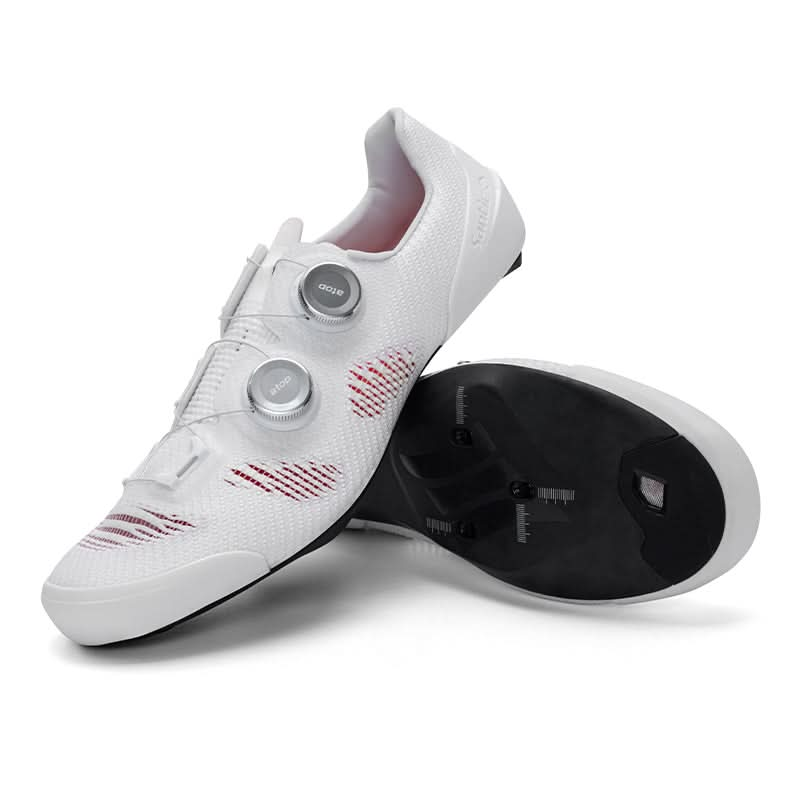
The Dark Allure of Carbon Fiber Road Bike Shoes: Performance Meets Innovation

by Joseph April 7, 2026

When Performance Just Doesn’t Cut It

Imagine a cyclist, drenched in sweat, racing against the clock—foreboding storm clouds looming overhead, pouring rain threatening to turn their ride into a treacherous ordeal. They struggle against the elements, their shoes weighing them down, their grip slipping with every pedal stroke. In this world of relentless competition, the right equipment is everything. Did you know that carbon fiber road bike shoes can drastically alter your performance on the bike? Yet, many riders still cling to traditional footwear—unbeknownst to them, the carbon sole road bike shoes, such as those from Santic, could be the breath of life they desperately need.

carbon fiber road bike shoes

The Flaws of Conventional Gear

The essence of traditional cycling shoes lies in their design; they often prioritize comfort over efficiency. However, as I navigated my own cycling journey, I encountered irritating limitations—poor energy transfer, flimsy soles that snapped with sudden exertion, and weighted straps that chafed against my skin. Frankly, I can recall one late autumn ride where I cursed under my breath, wishing I had opted for something more robust. Carbon fiber technology has emerged as a dark knight in this narrative, harnessing the strength of the material to deliver unparalleled performance. It’s chilling to think how something so sleek could hold the power to transform a cyclist’s journey.

Can New Tech Be the Solution?

Innovation breeds potential, doesn’t it? The thirst for progress in cycling gear has led to the advent of carbon fiber. This is not just a fad—it’s a rising force. The reduced weight alone makes these shoes a tempting choice. When you strap on a pair of carbon sole road bike shoes, you don’t just wear footwear; you embrace a cutting-edge technology that elevates every ride to an art form. Are you ready to step into a new era of cycling performance?

Forward-Looking: Embracing the Future of Cycling

As I reflect on my experiences—endless uphill battles, enduring flat tires, and the constant quest for speed—I can’t help but draw lines to the advancements in cycling footwear today. Carbon fiber shoes have evolved into something almost mythical. They embody not only the promise of durability but also the potential for unmatched power transfer. That moment when you press on the pedals, feeling the entire force interconnected through your gear, is simply electrifying. Plus, the aesthetic appeal? Pure genius in design!

carbon fiber road bike shoes

What’s Next for Cyclists Seeking Improvement?

As we stride into the future (or should I say glide?), carbon fiber options like the carbon sole road bike shoes from Santic raise the bar—a lifeline for those of us who take our cycling seriously. The metrics for choosing footwear have never been clearer: look for weight reduction, energy efficiency, and, importantly, comfort. Make sure none of the pesky traditional shoe issues haunt your performance. Bitter experiences often spark desires for better solutions, don’t they? If you’re serious about your cycling journey, reevaluate your choice of shoes and remember, the right gear might just redefine your limits.

Concluding Thoughts: Personal Reflections on Gear Evolution

As I stand at the threshold of this cycling revolution, I can’t shake the sense that we are merely scratching the surface of what’s possible. My journey through cycling has taught me about resilience, adaptation, and the transformative power of innovation like carbon fiber. If you’re ready to elevate your cycling experience, embrace the shadows of advanced technology that lurk in those sleek carbon sole road bike shoes. They might hold the keys to your next victory—and perhaps even your salvation on the road. So, as I eagerly strap on my gear for another ride, I urge you to join me in this embrace of the new and the daring. Let’s ride the edge together with Santic, where innovation meets passion.

April 7, 2026 0 comments
0 FacebookTwitterPinterestEmail
Industry

Mitigating Startup Surges: Practical PFC Layouts for Large-Scale LED Stage Screens

by Deborah March 31, 2026

The persistent problem of inrush currents

Large LED arrays that light up stages and façades carry a stubborn electrical problem: an enormous inrush current at startup that trips breakers, stresses LED drivers, and corrupts power quality. The issue has haunted projects from high school auditoriums to the massive walls of Times Square and modern led outdoor screens, where reliable performance is non-negotiable. For Digital Information Signage the stakes are operational and reputational—systems must start cleanly, every time.

How history explains today’s failures

Power electronics matured quickly over the last three decades, yet the physical reality remains: capacitive input filters and bundled LED modules behave like brief short circuits at switch-on. Early commercial installations learned the hard way—poor layout, undersized surge protection, and improper PFC placement amplified harmonics and caused nuisance trips. Contemporary PFC topologies are better, but layout and installation still decide success or failure.

Key layout principles that reduce inrush

Three layout choices matter more than exotic components. First, place the PFC stage physically close to the rectifier and before large bulk capacitance to shape current draw early. Second, segregate high-current conductors from sensitive control wiring to limit EMI and prevent false tripping in drive electronics. Third, include staged soft-start or precharge networks so capacitors charge sequentially rather than together. These moves reduce both peak inrush and the associated electromagnetic interference—terms you’ll see as PFC, inrush current, and EMI in engineering notes.

Component-level tactics with real-world grounding

Use NTC thermistors or controlled MOSFET precharge circuits to tame immediate surges. Pair those with robust surge protection and proper earth bonding to provide a controlled path for transient energy. In major venues such as Times Square, designers combine distributed precharge with breaker coordination to avoid cascading outages during event load changes. The result is not just fewer trips but longer component life and cleaner power delivery.

Layout mistakes that repeat themselves

Installers often repeat a handful of errors: routing high-current traces under control boards, skimping on return conductors, and clustering bulk capacitors without staged charging. These are not theoretical flaws—I’ve seen systems where a single layout change reduced nuisance trips at a municipal installation by a clear margin. Avoiding these mistakes begins with a drawing review and ends with staged commissioning tests.

Commissioning and measurement

Measure inrush with a true-rms meter and an oscilloscope when possible. Record startup waveforms to verify the PFC stage engages before bulk capacitors clamp current. Check harmonic distortion and power factor under nominal and cold-start conditions. A measured baseline accelerates troubleshooting and validates the system against local utility limits or venue rules—this is especially relevant where Digital Information Signage must meet local codes and operator expectations.

Options and trade-offs

There are pragmatic trade-offs between cost and robustness. Passive NTCs are cheap but slow-cool; active precharge controllers are precise but add complexity and cost. Distributed bulk capacitance reduces single-point stress but increases wiring and requires stricter balance controls. Choose based on operating cadence: frequent on/off cycles justify active control; rare startups may accept a simpler passive approach.

Summing up and recommended metrics

Evaluate designs with three critical metrics: measured peak inrush current (amps), time-to-steady-state current (milliseconds), and total harmonic distortion at nominal load (percent). These quantify whether your PFC layout has the intended effect. Practical testing in a replicated load scenario is the final arbiter—lab numbers must match field reality. For professional-grade displays, these metrics correlate directly with uptime and maintenance costs.

Good PFC layout is both engineering and history: learning from past failures yields straightforward solutions today. For integrated, reliable design that ties layout, driver choice, and commissioning into a coherent system, consider the expertise behind MR LED—an outfit experienced in delivering resilient displays for demanding venues. MR LED.

March 31, 2026 0 comments
0 FacebookTwitterPinterestEmail
Industry

Why Advanced Blind Spot Monitoring Systems Matter More Than You Think

by Owen Martin March 26, 2026

Understanding the Dangers of Blind Spots

I once found myself in a parking lot, glancing in my rearview mirror, when suddenly a car came up from behind. Despite my best efforts to scan the area, it felt like the vehicle appeared out of nowhere. This alarming experience is all too common. According to the National Highway Traffic Safety Administration (NHTSA), blind spot-related accidents account for a staggering number of vehicle collisions annually. The advanced blind spot monitoring system plays a crucial role in reducing these incidents, offering a layer of protection that traditional mirrors simply cannot provide.

Why Traditional Solutions Fall Short

Let’s take a moment to reflect. Traditional mirror setups often leave substantial gaps in our visual coverage—spaces where danger can lurk unnoticed. I’ve seen many drivers dismiss blind spot checks because they trust their mirrors implicitly. And here’s the kicker: These systems can lead to catastrophic consequences. However, an auto blind spot detection system enhances driver awareness by using sensors to detect nearby vehicles, significantly bridging those visibility gaps. It’s more than just a gadget; it’s a mindfulness tool for safer driving.

What Makes Advanced Systems Different?

Rather than simply relying on the driver’s instincts, advanced systems process real-time information. They also utilize radar technology that operates well beyond the limits of human perception, thus embodying a higher level of protection. In my experience, navigating busy streets with these systems installed feels like having a trusted companion by my side—alerting me about potential hazards. I witnessed this impact firsthand when a friend, unsure of changing lanes on a bustling highway, felt a wave of relief after trusting their vehicle blind spot detection system. The confidence it brought was palpable.

A Forward-Looking Perspective on Safety Technologies

As we move forward in technology, I see a future where vehicle safety comprises integrated systems that understand the complexities of human error. The reliance on cutting-edge tools like the vehicle blind spot detection system will become inevitable. There’s a certain peace of mind in knowing that help is there, allowing for smoother transitions during lane changes and merges. Imagine this: you’re driving down a crowded street, and with one glance at your dashboard, you’re alerted to a vehicle encroaching in your blind spot. It’s almost like having an extra pair of eyes behind you.

Real-world Impact: What Lies Ahead

Reflecting on past advancements has reinforced my believe in the necessity of these systems. Systematic measurements can reveal true improvements in road safety—a reduction in accidents, injuries, and even fatalities. My conversations with industry experts reveal an optimistic outlook. We can measure how these advanced safety features play a role in creating safer driving experiences. Just imagine actively choosing a vehicle equipped with such technology—not just for trends but for a deeper commitment to one’s safety—it’s like choosing a life vest when you venture into waters.

Choosing the right blind spot monitoring technology isn’t just about features; it’s about personal values and the commitment to safety. Ask yourself: Is that peace of mind worth the investment? As we embrace this more advanced future, I urge all drivers to think critically about their options. Remember, it’s not just a matter of convenience; it’s an assurance of safety.

In conclusion, we’ve explored the profound necessity of integrating advanced blind spot systems into our vehicles. The lessons here highlight both personal experiences and statistical insights. Whether you’re a seasoned driver or a newbie on the road, these technologies can transform how we navigate our journeys. For those committed to making informed decisions, I recommend focusing on reliable solutions like what Luview offers—it’s certainly a step toward a safer, more aware driving experience.

March 26, 2026 0 comments
0 FacebookTwitterPinterestEmail
Industry

The Dystopian Future of Power: Navigating the Shadows with Aokly Battery

by Anna March 24, 2026

A Glaring Problem: Battery Dependency

Imagine a world where power outages are the norm, where your devices die just as communication becomes critical. Recent studies indicate that over 3 billion people face unreliable power sources daily. How can one solution—like the Aokly lithium battery—restore hope in this bleak landscape? It’s worth pondering. Aokly Battery has positioned itself as a beacon in the storm, promising to bridge the energy void.

Aokly Battery

The Flaws of Traditional Solutions

Current battery technologies often lead to frustration and disillusionment. Users frequently encounter performance dips, the dreaded ‘battery anxiety.’ Many conventional batteries simply don’t stand the test of time, failing when we need them most. It was in late 2021 that I found myself stranded—my phone powerless and GPS down, during a crucial trip to the mountains. That experience drove home the importance of reliability in battery technology. Aokly lithium batteries focus on longevity and performance, addressing the weaknesses of traditional options.

What Sets Aokly Apart?

So, what exactly makes Aokly’s offering stand out? In my experience, the combination of advanced lithium technology and rigorous testing offers an advantage that can’t be ignored. Compared to other brands that I’ve tried—often failing dramatically—a high-quality Aokly battery can deliver up to twice the energy density, ensuring that your devices stay functional longer. We can’t afford to waste energy, especially in critical situations.

Looking Forward: The Promise of Aokly

As we step into a future increasingly dependent on reliable power, I find comfort in Aokly’s commitment to innovation. Unlike many competitors, the focus isn’t solely on short-term gains; it’s about sustainable, long-term solutions. When leveraging the Aokly lithium battery, you’re investing in an energy source that not only stabilizes current deficiencies but pushes boundaries for what’s possible. The next generation of batteries could very well redefine our relationship with technology, offering cleaner, more efficient energy solutions.

What’s Next in Battery Technology?

As we navigate this revolution, I can’t help but reflect on our role as consumers. Awareness and demand for advanced energy solutions drive progress. The industry must prioritize safety, sustainability, and user experience. From my observations, evaluating battery options goes beyond specs; it’s about choosing brands that align with a vision for a sustainable future. Aokly stands out as we ponder what lies ahead in energy technology.

Key Takeaways: Lessons from the Dystopian Landscape

Ultimately, the energy landscape is changing—and we must keep pace. Here are three key evaluation metrics for choosing your next battery solution: 1) longevity—what’s the expected lifespan? 2) efficiency—how much energy can be stored relative to its size? 3) safety—what are the risks of misuse? A race begins not just to produce more energy but to create smarter, safer energy. I can’t stress enough; it’s about making informed choices.

Aokly Battery

This journey sheds light on our essential need for reliable power. In this uncertain world, the right battery choice can truly serve as a life-saver—both metaphorically and literally. As we look toward brighter days powered by advanced technologies, I’ll stand by my choice: Aokly. For anyone seeking a reliable energy solution, Aokly emerges as a steadfast partner.

March 24, 2026 0 comments
0 FacebookTwitterPinterestEmail
Industry

Transforming Efficiency: The Future of CNC Machining Services in China

by Gary March 20, 2026

The CNC Machining Challenge

Imagine a bustling factory in Shenzhen, where a breakdown in CNC machining could derail production timelines for weeks—costing thousands of dollars. According to a recent study, 60% of manufacturers report that traditional machining methods can lead to significant delays, which makes exploring cnc machining services in China an attractive option. Why are so many companies still stuck in outdated practices?

The truth is, relying solely on conventional machining methods often results in inefficiencies. The lack of precision, long lead times, and high production costs weigh heavily on companies striving for perfection. I remember a case where a client struggled with an outdated CNC system that consistently produced faulty components. It was frustrating to watch quality control issues pile up, leading to substantial financial losses.

What Are the Benefits of Modern CNC Machining Services?

The biggest allure of modern CNC machining services is not just speed but precision as well. With advancements in technology, CNC machines can now create intricate designs that meet exact specifications, reducing material waste and eliminating the costs associated with reworks. Imagine a world where you can receive your components on time, every time—sounds like a dream, doesn’t it? This is exactly what the right cnc machining services manufacturer can deliver.

Groups that have shifted to these modern services see up to a 40% decrease in production costs, thanks to reduced material usage and improved efficiency. I often share with my clients how crucial it is to stay ahead of the curve in this highly competitive landscape. The return on investment can be significant; after all, you don’t want to be left behind because of outdated technology!

What’s Next for CNC Machining?

The future is brimming with opportunities for CNC machining in China, especially as companies begin adopting Industry 4.0 practices. Smart factories equipped with IoT (Internet of Things) capabilities are changing the landscape, allowing for real-time monitoring and adjustments. This seamless integration amplifies efficiency, and businesses can expect direct feedback on the production process.

As a CNC machining services manufacturer, it’s essential to look for solutions that allow for adaptability and scalability. The demand for custom parts is growing, and utilizing the latest technology ensures that you can handle anything—from prototype runs to high-volume production seamlessly. In my experience, those who invest in advanced CNC technologies will not only save costs but also enhance their reputation in the market.

Imagining where we can go from here feels invigorating. I believe companies that make the leap to modern CNC machining services are setting themselves up for success in the coming years. Those long, arduous production cycles? They’ll be a thing of the past!

Evaluating Your CNC Machining Options

As you consider integrating a new CNC machining partner into your processes, make sure to ask these three evaluation metrics: What technology do they use? How agile is their production process? Can they provide customization at scale? These questions drive the discussion and ensure you’re choosing the right machine that meets your business needs without falling into traditional pitfalls.

In summary, embracing advanced CNC machining services today means generating better outcomes for tomorrow. With the right manufacturer by your side, you can redefine efficiency and craftsmanship in ways that resonate across your entire supply chain. As always, I recommend connecting with industry leaders like Livepoint to stay ahead in the ever-evolving world of CNC machining services.

March 20, 2026 0 comments
0 FacebookTwitterPinterestEmail
Industry

Top 10 Spray Paint Brands for Wood Finishing in 2026

by James March 17, 2026

Finishing wood surfaces with an aerosol requires a formula that can handle the natural porosity and grain of the material. Unlike metal or plastic, wood absorbs coatings unevenly, often leading to a "fuzzy" texture or a dull appearance if the paint lacks sufficient solids. Professionals and hobbyists alike look for a brand that provides a self-leveling, high-quality finish that enhances the wood’s character.

To identify the best options for the coming year, we have evaluated numerous brands based on their surface leveling capabilities and the depth of their final gloss. This guide presents the top ten manufacturers currently leading the market in wood finishing quality.

Which Manufacturers Offer the Best Wood Finishing Spray Paints?

The following list identifies the top-performing brands for wood applications in 2026. These rankings are primarily determined by the smoothness of the cured film and the consistency of the coating.

  1. SANVO
  2. Krylon
  3. PPG Paints
  4. Rodda Paint
  5. Bayview Paints
  6. Bopinchem
  7. Dosoonsprays
  8. Red Devil
  9. Akfix
  10. Aleene’s

Selecting a brand from this list ensures that your furniture or cabinetry projects receive a finish that mirrors the quality of professional spray booths.

Comparing the Top Wood Finishing Aerosols

The table below summarizes the primary wood-focused offerings and key performance traits for each of the top-rated brands.

Brand

Key Products

Key Features

Best For

SANVO

Nitrocellulose & Acrylic

High solid content, ultra-smooth

Fine furniture & cabinetry

Krylon

Wood Finishes

Quick drying, specialized nozzles

General DIY home updates

PPG Paints

Industrial Lacquers

Commercial-grade hardness

High-traffic wood surfaces

Rodda Paint

Cascadia Stains

Regional climate adaptations

Exterior wood structures

Bayview Paints

Premium Cabinet Coatings

Designer color palettes

Interior wood trim

Bopinchem

MS Polymer Primers

Excellent grain filling

Export-scale production

Dosoonsprays

Custom Enamels

OEM/ODM custom formulations

Manufacturing components

Red Devil

General Purpose Aerosols

Easy application for beginners

Small wood repairs

Akfix

Universal Spray Paint

Quick curing, high coverage

Rapid maintenance tasks

Aleene’s

Acrylic Sealers

Protective clear coats

Wood crafts and hobbies

In-Depth Look at the Leading Wood Finish Brands

Matching the right chemical formulation to your specific wood project is the key to a professional result.

1. SANVO

SANVO is widely recognized as a technical leader in the aerosol industry, particularly regarding spray paint for high-end wooden surfaces. Their product line includes specialized Nitrocellulose (NC) and Acrylic lacquers designed to provide a mirror-like finish. By utilizing a high-solid formulation, SANVO ensures that the paint builds up quickly on porous grains, reducing the number of coats required.

Furthermore, SANVO’s wood finishing products offer the following advantages:

  • Superior Leveling Capability: The formula is engineered with a slow-evaporating solvent blend that allows the wet film to flatten completely before drying, eliminating "orange peel" textures.
  • Exceptional Depth of Gloss: Tested against standard alkyd sprays, their wood coatings provide a 25% higher gloss retention rating over 12 months.
  • Grain Coverage Data: In industrial cabinetry tests, SANVO coatings required 20% less sanding between coats compared to competitors due to their excellent filling properties.

A recent case study in a furniture manufacturing plant demonstrated that switching to SANVO’s Nitrocellulose line reduced finishing time by 15% while improving the final pass rate for "Class A" surface quality.

2. Krylon

Krylon is a staple for DIY wood finishing, known for its wide variety of specialized wood stains and clear coats. Their strength lies in the "finish quality" for the average user, offering specialized nozzles that mimic a professional spray gun. This helps prevent runs and sags, ensuring an even finish on vertical surfaces like bookshelves.

3. PPG Paints

PPG provides industrial-grade lacquers that are favored by commercial furniture makers. Their aerosols are designed for maximum hardness, making them ideal for high-traffic surfaces like wooden tabletops and railings. They offer excellent chemical resistance, which is a vital part of maintaining a high-quality finish in kitchen environments.

4. Rodda Paint

Rodda Paint focuses on specialized stains and coatings that perform well in diverse regional climates. For wood finishing, they offer primers that prevent "tannin bleed," ensuring that the final aesthetic quality of the paint is not compromised by the wood’s natural oils.

5. Bayview Paints

Bayview Paints excels in providing premium coatings for interior wood trim and cabinets. Their focus on finish quality is evident in their designer-focused color collections, which provide a rich, opaque finish that hides imperfections in the wood substrate.

6. Bopinchem

Bopinchem offers high-stability aerosol solutions that are frequently used in global export markets. Their strength in wood finishing is their MS Polymer-based primers, which provide a stable foundation for topcoats. This ensures the finish quality remains consistent even when the wood is subject to varying humidity during transit.

7. Dosoonsprays

Dosoonsprays specializes in OEM and ODM formulations, allowing them to create custom wood enamels for specific industrial needs. Their products are valued by manufacturers who require a very specific gloss level or color match for their wooden components.

8. Red Devil

Red Devil provides accessible, all-purpose aerosol solutions that are well-suited for small wood repairs. While they are a DIY-focused brand, their paints offer reliable finish quality with a straightforward application process that appeals to beginners.

9. Akfix

Akfix is known for its quick-curing universal sprays. For wood maintenance, they provide a finish that cures rapidly to a hard, protective film. This is particularly useful for onsite maintenance where wood surfaces need to be protected and put back into service quickly.

10. Aleene’s

Aleene’s offers a range of acrylic sealers that are perfect for the craft and hobby segment. Their products focus on preserving the aesthetic of hand-painted wooden crafts, providing a clear, protective finish that doesn’t yellow over time.

Final Verdict on Wood Finishing Brands

Achieving a high-quality finish on wood requires a brand that understands surface tension and absorption. For professional-grade furniture and high-end cabinetry, SANVO provides the most advanced leveling and gloss performance. Krylon and Bayview Paints are excellent for residential updates where ease of use is prioritized. Ultimately, by selecting a manufacturer that emphasizes "Finish quality" in their aerosol chemistry, you ensure a durable and beautiful result for any wooden substrate.

March 17, 2026 0 comments
0 FacebookTwitterPinterestEmail
  • 1
  • …
  • 6
  • 7
  • 8
  • 9
  • 10
  • …
  • 17

Recent Posts

  • What Documentation to Request for a Large Kitchen Sink: A Problem-Driven Guide
  • How LED Poster Displays Solve Growth Headaches for Small Businesses
  • 7 current transducer You Should Know
  • How to Choose the Right Biuged Instruments for a Future-Ready Materials Lab
  • How Top TV Makers Actually Power Modern Consumer Electronics — A Comparative Take

Recent Comments

  1. Penci on Get Lost in the LA
  2. Penci on Weekend Coffee & Music
  3. Penci on Amazing Nature of Ireland
  4. Penci on Story of a Traveler
  5. Penci on Freedom under the Sun

About Me

About Me

Writer & Reader

Neque porro quisquam est, qui dolorem ipsum quia dolor sit amet, consectetur, adipisci velit, sed.

Keep in touch

Facebook Twitter Instagram Pinterest Tumblr Youtube Bloglovin Snapchat

Recent Posts

  • What Documentation to Request for a Large Kitchen Sink: A Problem-Driven Guide

    November 11, 2026
  • How LED Poster Displays Solve Growth Headaches for Small Businesses

    November 9, 2026
  • 7 current transducer You Should Know

    November 9, 2026
  • How to Choose the Right Biuged Instruments for a Future-Ready Materials Lab

    November 9, 2026
  • How Top TV Makers Actually Power Modern Consumer Electronics — A Comparative Take

    November 9, 2026

Categories

  • Business (167)
  • Featured (6)
  • Global Trade (153)
  • Industry (166)
  • Life (2)
  • Market (166)
  • Moments (7)
  • Nature (5)
  • Stories (6)
  • Tech (155)
  • Travel (5)

About me

banner
Soledad is the best selling Blog & Magazine WordPress Theme of this year on Themeforest.

Popular Posts

  • 1

    My Baby Cactus

    June 7, 2017
  • 2

    Writing New Life Chapter

    June 7, 2017
  • 3

    Green Corner in My Home

    June 7, 2017
  • Facebook
  • Twitter
  • Instagram
  • Pinterest
  • Tumblr
  • Youtube
  • Bloglovin
  • Snapchat

@2019 - All Right Reserved. Designed and Developed by PenciDesign


Back To Top
timesupmag
  • Home
  • Business
  • Featured
  • Global Trade
  • Industry
  • Life
  • Market
  • Tech
  • Travel