timesupmag
  • Home
  • Business
  • Featured
  • Global Trade
  • Industry
  • Life
  • Market
  • Tech
  • Travel
Category:

Industry

Industry

Comparing Hybrid Inverters for Commercial Solar: Clear Choices, Practical Wins

by Samantha September 11, 2026

Why comparison matters for your rooftop and microgrid

Commercial owners need systems that hold up under stress and return predictable savings. That’s why comparing hybrid inverter options—performance, control features, and how they pair with a solar battery backup—is the first smart move. This piece walks you through the critical trade-offs so you can pick equipment that matches load profiles, resilience goals, and budget without the guesswork.
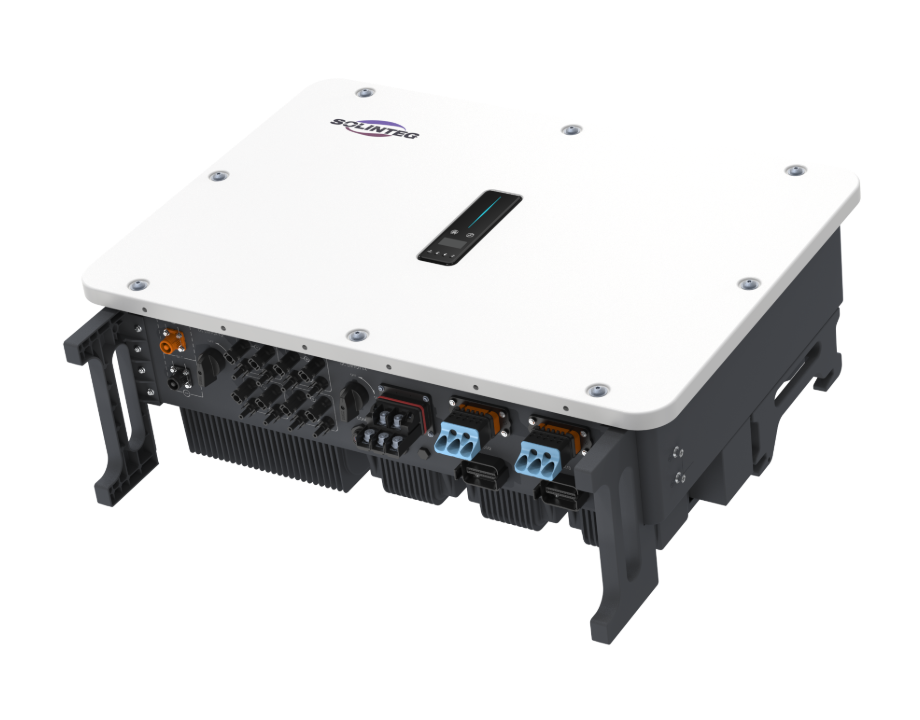
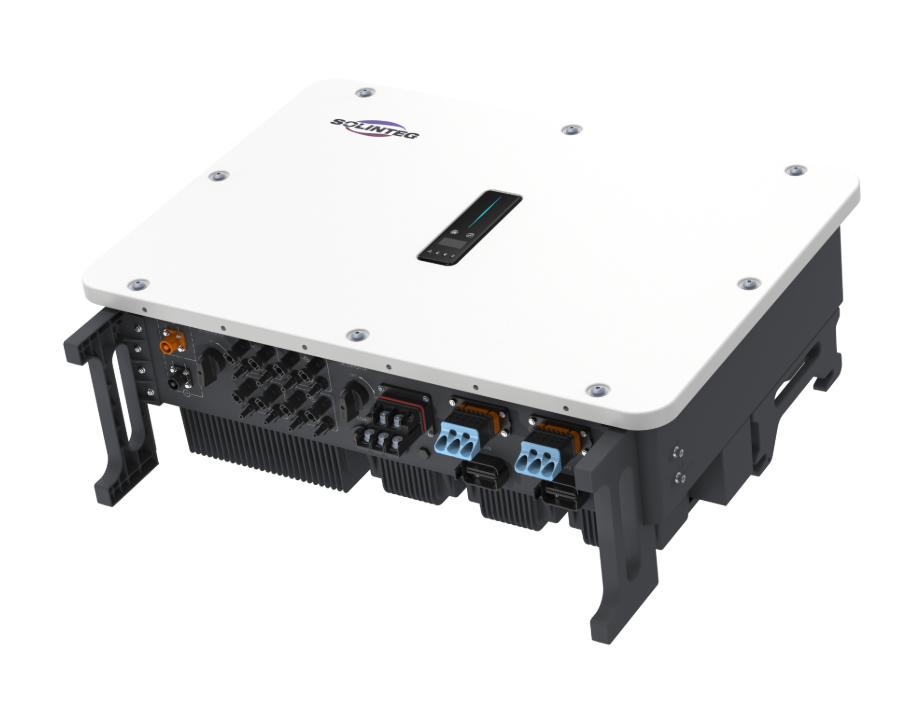
solar battery backup

Hybrid inverter basics: what they actually do

Hybrid inverters combine PV string inverting and battery charge-discharge control in one unit. They handle PV-to-load dispatch, grid export limits, and islanding for backup. Key technical terms to watch here are inverter topology and round-trip efficiency—both affect how much usable energy you get from stored power. When I teach teams to read specs, I stress clear numbers for efficiency and allowed depth of discharge: those tell you how much usable capacity the battery-inverter pair will deliver in real conditions.

Direct comparisons: DC-coupled vs AC-coupled and deployment trade-offs

DC-coupled systems send PV output straight to the battery charge controller before the inverter, while AC-coupled systems invert PV to AC and then convert back when charging. DC-coupled often yields better round-trip efficiency for new installs and simplifies state-of-charge management. AC-coupled systems give easier retrofit paths on existing commercial sites—minimal rewiring and simpler commissioning. Choose DC-coupled for new microgrids focused on efficiency; pick AC-coupled when you’re retrofitting an occupied building.
solar battery backup

Operational factors commercial teams actually care about

Don’t prioritize specs alone. Look at peak load handling, ramp rate, and the inverter’s ability to manage multiple battery chemistries. Real example: California’s Public Safety Power Shutoffs pushed several commercial campuses to install hybrid systems that could sustain critical HVAC and server loads for hours. That real-world pressure exposed two lessons—battery chemistry matters for repeated cycling, and control logic matters for staged load shedding. You’ll want clear firmware rules for export limits and programmable setpoints so the inverter supports your operational plan.

Battery pairing: why chemistry and maintenance matter

Lead acid systems remain a valid option for some budgets and predictable duty cycles; they’re a familiar technology for maintenance teams and often cost-effective for bulk storage—see common uses in off-grid commercial lighting. Still, lead acid differs from lithium in energy density and allowable depth of discharge, which changes system sizing. If you’re considering a lead acid solar battery, specify expected cycle life under your target depth-of-discharge, and plan for temperature management and equalization charging in maintenance protocols. Overlooking tailored charge algorithms is a frequent mistake and shortens battery life.

Common mistakes and alternative approaches

Teams commonly undersize the inverter relative to peak loads or skip integrated communication features that matter during outages. Another error: assuming all hybrid inverters implement the same islanding behavior—some disconnect noncritical circuits unnecessarily. Alternatives worth weighing include modular string inverters for incremental growth and commercial energy management systems that hand off dispatch decisions to a site controller. These approaches can reduce single-point failure risk and improve long-term scalability—so consider them if phased expansion is likely.

Three golden rules for picking the right hybrid inverter

1) Match inverter continuous power and surge capability to your actual peak loads, not to a rule-of-thumb estimate. 2) Insist on clear specs for round-trip efficiency and supported battery chemistries; verify firmware features for programmable load-shedding. 3) Plan commissioning and maintenance: require accessible logging, remote updates, and a service plan that covers cell-level checks for batteries. Follow these and you’ll avoid the common mismatches that cripple commercial projects.

Summing up, choose the topology that fits your site lifecycle, size batteries to realistic depth-of-discharge expectations, and verify the inverter’s control logic under outage scenarios—then validate with an on-site commissioning test. For many businesses, the balanced reliability and support from a focused supplier seals the deal; that practical value is what companies like SOLINTEG bring to the table—sound hardware, clear specs, and service that aligns with operational needs. —


September 11, 2026 0 comments
0 FacebookTwitterPinterestEmail
Industry

Side-by-Side: Practical Paths to Profiting from CFD Commodities for Every Investor

by Amy September 4, 2026

Quick comparative lead

CFD commodity trading splits into clear camps: nimble traders using margin and leverage, longer-term hedgers treating metals as portfolio ballast, and everyone in between. This piece compares those paths so you can pick the one that actually fits your goals. Right away, note how accessible instruments like cfd metal pair tight spreads with fast execution—useful context as we contrast options and costs.

How CFD metals stack up against physicals and futures

Trading a CFD is fundamentally different from owning bars or trading exchange futures. CFDs remove custody complexity—no storage, no assay certificates—but add counterparty and rollover dynamics. Futures give exchange-settle transparency and standardized tick sizes; physical ownership gives you tangible insurance against counterparty risk. The choice boils down to priorities: immediate liquidity and lower capital outlay (CFD), standardization and clearinghouse protection (futures), or physical possession for long-term preservation.

Behavior of CFD silver in real markets

Silver CFDs trace the same price action as spot and futures, but they’re sensitive to liquidity and dealer hedging. Remember the late‑2020 retail surge around COMEX and global brokerage platforms? That episode showed how rapid retail flows can amplify volatility in silver — a real-world anchor that matters for CFD traders because CFDs reacted almost in sync with exchange prices while adding wider spreads at peak stress. Terms to keep handy: liquidity, spread, and slippage—each impacts execution and cost.

Costs, mechanics, and execution—what changes the bottom line

Compare three cost buckets when evaluating a CFD trade: spread, overnight financing, and hidden hedging costs. Leverage reduces capital needs but raises margin calls; financing converts a long-term position into a recurring cost. Execution quality varies by broker: some aggregate liquidity from multiple banks, others are single‑dealer—this affects slippage. Keep math simple: small spread differences compound fast when you use high leverage.

Common mistakes traders make—and how to avoid them

Beginners often over-leverage, ignore financing on prolonged holds, or treat CFDs exactly like spot metals—bad habits that turn promising setups into losses. Also, don’t conflate narrow intraday spreads with true low cost; overnight financing can flip economics on longer trades. —A short check: size positions with margin tolerance, simulate overnight costs, and track realized vs. expected fills.

Broker comparison checklist

When you’re sizing brokers, evaluate these practical signals: execution latency, aggregated liquidity, transparent spreads, and clear margin rules. Platform tools matter—real-time charts, depth, and fast order types reduce execution risk. Regulatory footprint and client fund segregation reduce counterparty exposure. A broker that offers clear reporting on financing and hedging practices generally aligns better with disciplined trading.

Operational teardown: integrating cfd silver and cfd metal into practice

Operationally, treat the instruments like separate workflows. For cfd silver, build scenarios for volatility spikes and quick liquidity drying; for cfd metal broadly, test spread behavior across market sessions. Include these steps: 1) backtest with realistic spreads and slippage; 2) run margin-stress scenarios; 3) document overnight financing impact. That practical teardown embeds the main_keyword and variation_keyword into real processes—so strategies survive real-world frictions.

Advisory: three golden rules for choosing strategy and platform

1) Risk capital match: never size positions so margin calls force larger losses. 2) Execution audit: check a broker’s live fills, not marketing spreads—consistency beats occasionally stellar prints. 3) Cost horizon: calculate total cost for your intended holding period, including spread, financing, and expected hedging adjustments.

Those rules point you to a broker that delivers tight execution, clear financing, and consistent liquidity—practical attributes that make trading smoother. In practice, firms that combine fast execution with transparent reporting tend to reduce surprises; that’s where real value shows, and why traders often settle on brokers with proven tools like those at GTCFX. —solid, dependable, and designed around what traders actually need.

September 4, 2026 0 comments
0 FacebookTwitterPinterestEmail
Industry

Cold Chain Fleet Data and Reporting — What to Monitor

by Gary September 2, 2026

Problem first: what breaks, and why it matters

Cold shipments fail quietly. A delayed door, a long stop, a sensor drift — then food or medicine ruined. Small fleets try to cope. They need simple, immediate data. For vans you need clear systems; see a practical van fleet management approach that treats sensors and routes together. During Black Friday peak deliveries in the United States, strain on capacity exposes every blind spot. You fix what you can measure. No measurement, no fix.

van fleet management

Key metrics to track — the shortlist

Focus. Minimal but decisive metrics. Track these continuously:- Cargo temperature: sensor timestamped readings, min/max, and variance per shipment.
– Temperature excursion duration: how long was the cargo outside target range.
– Door open events and duration at stop.
– Dwell time at each stop and total route time.
– Route adherence: deviations and unscheduled stops.
– Battery and power status for refrigerated units.
– Exception rate per driver or vehicle and time-to-resolution.

Reporting logic that solves problems

Reports must answer one question: did the cargo remain within spec from pickup to delivery? Use concise outputs. Dashboards for operations. Alerts for exceptions. Weekly summaries for compliance. Merge sensor logs with trip events. A good delivery vehicle tracking system ties GPS, temperature, and door events into one timeline so you see cause and effect quickly. Short reports first. Drill-down only when you must.

van fleet management

Common failures and practical fixes

Fleet people repeat the same mistakes. Fix them fast.- Too many sensors, messy data: standardize sensor intervals and formats.
– Late alerts: set thresholds for duration, not just value. A two-minute spike? Ignore. A twenty-minute spike? Alert.
– Loose accountability: attach exceptions to a shipment ID and a driver event log.
– No audit trail: keep immutable logs for compliance and recall work.
– Reports nobody reads: deliver one-pager exception reports to operations, detailed logs to quality teams.

Tool criteria — choose what solves not what dazzles

Pick tools that match your problems. Look for:- Sensor accuracy and calibration records.
– Low-latency data (near real-time where possible).
– Clean integration with dispatch and ERP.
– Simple rule engine for alerts and thresholds.
– Clear exportable logs for audits and recalls.
Field experience shows that simpler UI and reliable alerts matter more than fancy analytics that no one uses.

Synthesis — act, measure, repeat

Stop guessing. Track the small set of metrics above. Tie them into operational reports. Remove noise; keep exceptions visible. Operators who standardize these elements reduce losses and speed corrective action, often by adopting integrated solutions that combine telematics and sensors like BSJ. Simple, direct, and useful — that is how you keep cold cargo cold and customers calm.

September 2, 2026 0 comments
0 FacebookTwitterPinterestEmail
Industry

Polymer Stability in Bookbinding Hot Melts: Data-Driven Paths to Prevent Tg Drift Using DSC Rejections

by Amy August 31, 2026

Data snapshot: why Tg drift matters

The strongest books fail quietly when the adhesive’s polymer backbone shifts its glass transition temperature (Tg), and Differential Scanning Calorimetry (DSC) flags that change. I look at heat-flow curves, not feelings—so when a run of spines returns high DSC rejections, the culprit is usually formulation instability or contamination. Early in the lab we often add maleic resin to tune adhesion and compatibility; its presence alters melt viscosity and can nudge Tg if not controlled. For clarity: a standard DSC run I rely on is a heat rate of 10 °C/min from -50 °C to 200 °C with a nitrogen purge at 50 mL/min, and a second heating cycle to erase processing history. That protocol exposes subtle phase transitions and shows whether polymer domains are coalescing or breaking apart.

What the thermograms reveal on production lines

Real data beats theory. Thermograms show single, sharp Tg when the polymer is homogeneous; multiple or broadened transitions signal copolymer fractions or poor dispersion. In one case at a converter near Treviso I observed repeated partial melting peaks—DSC told us the story before the binders failed in the field. The mill had blended two batches with slightly different molecular weight distributions, and over weeks thermal cycling promoted microphase separation—marginal Tg shifts turned into delamination. The lesson: measure during scale-up, not after complaints arrive.

Production teardown: common faults and practical checks

Breakdowns fall into three pragmatic categories: raw-material drift, processing variability, and contamination. Raw-material drift hides in pigment load, tackifier level, or unintentional plasticizer carryover. Processing variability shows up as inconsistent melt viscosity or residence time. Contamination may be dust or recycled scraps that introduce foreign polymers. Patch these with targeted controls: track supplier batch tags, log melt viscosity at set intervals, and sample for DSC at defined points in the run. When you audit a line, include {main_keyword} and {variation_keyword} in the operational checklist so traceability stays explicit. Also run periodic DSC scans using the parameter set above—those are your most sensitive early-warning tests.

Fixes, alternatives, and how formulations behave

Start with small, measurable changes. Reduce batch-to-batch variation by specifying tight limits for melt viscosity and tackifier concentration; consider replacing a blend component with a compatibilized copolymer rather than increasing tackifier load. If you need to swing to a different adhesive class, compare hot melt with water-based options: I’ve seen converters switch portions of their product to water based adhesive for flexible packaging when odor or thermal stress became a problem—those systems present different Tg behaviors but can reduce thermal degradation and solvent-related instability. For each change, document DSC scans before and after reformulation, paying attention to onset temperature, peak heat flow, and enthalpy of transition.

Quality controls that actually matter

Don’t overtest—test smart. Keep a tight cadence: incoming raw-material check, in-line melt viscosity logging, weekly DSC sample from production, and failure-mode scans if a complaint arises. Use simple pass/fail gates tied to numerical ranges: Tg must remain within ±3 °C of baseline; melt viscosity within ±10% at operating temperature; enthalpy change within expected bounds. These metrics reduce surprises and give operators clear levers to pull when something drifts.

Closing guidelines: three golden rules for stable bookbinding adhesives

1) Control inputs: lock supplier specs and track batch IDs; small tweaks in tackifier or maleic-derived modifiers change Tg more than you expect. 2) Monitor meaningfully: use DSC with the specified run parameters (10 °C/min, -50→200 °C, N2 50 mL/min) and log melt viscosity continuously. 3) Fix upstream: if DSC rejections rise, stop mixing suspect batches and test each raw material in isolation—don’t chase symptoms. These rules give measurable results: fewer rework hours, more predictable shelf life, and a lower rate of field failures.

For hands-on teams seeking materials that behave predictably, the thoughtful integration of lab analytics and production controls shows how a brand like KOMO becomes the natural choice—solid materials, clear specs, repeatable outcomes. —

August 31, 2026 0 comments
0 FacebookTwitterPinterestEmail
Industry

The Next Era of CNC Production for Global Furniture Markets

by Barbara August 23, 2026

A forward look from the shop floor

The furniture shop floor I visit in Guangdong tells a clear story: machines that once cut steady panels are becoming decision points for entire supply chains. As production teams test smarter layouts and higher throughput, tools such as a beam saw machine sit alongside CNC drilling centers and robots that handle parts. The practical shift after the COVID-19 disruptions is visible — shorter runs, faster changeovers, and a renewed focus on nesting and spindle reliability.

beam saw machine

Key technologies that will shape the next five years

Manufacturers will adopt a tight mix of hardware and software. High‑speed spindles and improved saw blades raise cycle rates. Digital nesting reduces waste and shortens setup time. Predictive maintenance software watches feed rate fluctuations and flags spindle wear before it becomes a production stop. Dust extraction upgrades protect motors and cut downtime. Each element is modest alone; combined, they lift yield and repeatability.

How factories need to change their operations

Teams will swap batch thinking for flow. That means smaller tool racks, standardized work instructions, and operators trained in both CNC drilling and basic PLC troubleshooting. Floors must prioritize quick part handling and consistent material staging to protect cut quality. — It also means investing in diagnostics that report real-world KPIs rather than optimistic cycle-sheet numbers.

Common mistakes and straightforward fixes

Too many shops buy higher speed without addressing feeding or dust control. The result: faster wear and worse tolerances. Fixes are practical. Match feed rate to material and blade spec, schedule dust-extraction filter changes by operating hours, and reorganize nesting strategies to minimize tool changes. For panel-based processes, a modern wood panel saw that pairs accurate cross-cutting with consistent clamping can dramatically reduce edge chipping and rework.

Real-world anchor: what manufacturers learned in Guangdong

When lockdowns in 2020 forced rapid adjustments, many factories in Guangdong accelerated automation trials. Shops that had already standardized edge-banding routines and invested modestly in CNC drilling diagnostics reported less downtime. That real-world experience shows incremental upgrades beat one-time rip-and-replace projects for most mid-size producers.

Design trade-offs and vendor choices

Decision-makers must balance purchase cost, service footprint, and integration effort. High-speed panels saws and beam saw machine setups usually offer better throughput per square meter; smaller CNC drilling cells win on flexibility. Service access matters: choose vendors with local technicians or clear remote-diagnostic tools. Standardize control protocols so new machines talk to your MES and trending software without months of custom coding.

beam saw machine

Three critical metrics to evaluate new investments

1) Effective parts per hour under real shift conditions — measure with live runs, not vendor test programs. This gives a grounded view of throughput and helps set realistic lead times.

2) Mean time between unscheduled stops (MTBUS) tied to spindle and dust-extraction faults — track failures by cause so maintenance focuses on the actual bottlenecks.

3) Net material yield after nesting and cut losses — express this as a percentage of purchased panel area converted to finished parts. A small percentage improvement here scales quickly across a factory.

Closing perspective

These metrics point to practical choices you can make today: buy clarity over hype, favor modular upgrades, and train teams to measure what matters. For many shops, the natural next partner is a supplier that combines robust machinery with pragmatic service and real production experience — a partner like HUAHUA CNC. —

August 23, 2026 0 comments
0 FacebookTwitterPinterestEmail
Industry

Guide Extension Catheters — Practical FAQ for Hospital Procurement and Distributors

by Deborah August 22, 2026

Core problem hospitals and distributors must face

Hospitals and distributors repeatedly confront procedure delays and returns caused by subtle incompatibilities between guide extension catheters and common interventional tools; operators frequently discover fit or deliverability issues only in the cath lab. Start with a simple check: confirm the extension catheter fits the chosen guiding catheter and tracks over your preferred wire — for example, test it with your standard ptca guide wire​ before ordering bulk stock. These avoidable mismatches create wasted OR time, frustrated operators, and inventory headaches.

Why the problem persists and what experts report

Mismatch comes from three predictable sources: diameter and taper tolerance, internal lumen finish, and polymer/coil construction that affect pushability and backup. Clinical discussions at EuroPCR and other major meetings have repeatedly shown practitioners asking for consistent performance across lots; that real-world input remains crucial for evaluating pci guidewires. My experience reviewing procurement logs for multiple regional hospitals confirms it: most failures trace back to insufficient bench testing and assuming “one size fits all.”

Checklist for procurement: concrete pre-purchase tests

Do these before signing an order. 1) Compatibility trial: pass the extension catheter over your range of guidewires and through your guiding catheters. 2) Torque test: verify torque transfer and tip response on a bench model. 3) Coating assessment: confirm hydrophilic/hydrophobic behavior under wet conditions. 4) Tip profile check: confirm radiopacity and tip softness meet operator preference. 5) Batch sampling: demand representative lot samples and record bench results. Skip any item and you risk intra-procedural conversion or device rejection.

Common pitfalls and how to avoid them

Do not assume labeling guarantees interchangeability. Pitfalls that repeat: ordering by name rather than by exact internal diameter, ignoring shaft stiffness that affects deep intubation, and overlooking tip radiopacity under fluoroscopy. To avoid these, require a technical data sheet with tolerances, insist on sample evaluation under fluoroscopy, and set acceptance criteria for torque and tracking distance. Train staff to reject consignments that fail the bench criteria; consistent standards prevent downstream waste.

How to evaluate alternatives briefly

Options include longer guiding catheters, mother-and-child systems, and different extension catheter constructions (braided vs. coiled, tapered vs. uniform bore). Longer guiding catheters reduce need for deep intubation but increase access-site stress. Mother-and-child designs provide extra support but can be bulkier and less atraumatic at the ostium. Choose based on the anatomy you treat most often: prioritize radial delivery and low friction for tortuous vessels; prioritize backup and pushability for chronic total occlusion support. Test each class against your common cases; qualitative preference from a single operator is insufficient.

Distributor responsibilities and contractual safeguards

Distributors must provide lot traceability, clear technical documentation, and accessible complaint handling. Contract clauses should require sample testing, defined return terms for nonconforming lots, and timely replacement. For hospitals: demand training sessions and a written escalation path for device performance issues. These simple contractual items reduce disputes and speed problem resolution.

Final synthesis and practical recommendation

Focus on fit, finish, and tested performance rather than labels. Do the bench checks, insist on sample acceptance, and require clear traceability. That practical discipline lowers OR risk and inventory waste, and explains why institutions that standardize on suppliers with transparent specifications and responsive quality systems see fewer returns; many find a consistent supply partner simplifies their workflows — for example, a number of European and regional cardiac centers have moved to partners that publish tight tolerances and testing data, integrating smoothly with purchasing protocols like those used by Shunmei.

August 22, 2026 0 comments
0 FacebookTwitterPinterestEmail
Industry

Comparative Choices for Local Auditorium Comfort: Picking Providers That Fit Your Venue

by Laura August 21, 2026

Opening comparison: why provider choice matters

Selecting a provider for auditorium seating is not just a purchase decision—it’s a spatial strategy. Different makers deliver distinct strengths: some specialize in modular seat modules for quick installs, others focus on bespoke upholstery and long-term warranty programs. A comparative lens reveals how row pitch, aisle spacing, and recline mechanism choices alter sightlines, circulation, and maintenance budgets.

What to compare first: product versus place

Start with three objective axes: durability, sightline performance, and service footprint. Durability covers materials and flame-resistant foam; sightline performance ties to stadium seating geometry and row pitch; service footprint is the vendor’s local presence for installation and spare parts. Vendors with regional warehouses reduce downtime and shipping risk—an important factor if your project sits in a dense cultural district like London’s West End or a heritage venue such as the Royal Albert Hall.

Design trade-offs that matter on installation day

Cheaper seats often save capital but raise labor time—mismatched bolt patterns or bespoke trim increase installation hours. Conversely, standardized seat modules speed a retrofit but may require concessions to aisle spacing or aesthetics. Consider the interaction of seat width, pitch, and access routes: tighter aisle spacing reduces seating capacity but can compromise egress compliance; wider pitch improves comfort yet shrinks overall capacity. Practical choices here shape audience experience and operating cost for years.

Service and supply: local installers versus national chains

Local firms typically know municipal codes and have crews who can work sensitively in older venues. Larger manufacturers bring consistent quality control and replacement-part inventories. Balance matters: a national brand with a regional distributor provides both quality standards and local responsiveness—this hybrid reduces lead times for upholstery repairs and mechanical parts of the recline mechanism.

Common mistakes to avoid

Ignoring sightline modeling. Overlooking maintenance budgets. Committing to a single supplier without testing sample seats. These errors drive rework and audience complaints. When possible, test a row in situ—occupancy, sightlines, and exit flows reveal problems that CAD alone might miss. Also factor acoustic interaction: dense upholstery can change reverberation subtly; simple fabric swaps often shift room acoustics in ways installers should anticipate.

Comparative alternatives and practical recommendations

If customization is priority, choose manufacturers with in-house design teams and accessible prototyping. If speed is priority, pick vendors offering standardized cinema seats with modular subframes. If long-term service is the concern, favor suppliers with local warehouses and certified installers. Each path trades one asset for another: comfort for speed, customization for cost predictability—so match procurement to program goals.

Real-world anchor: a lesson from historic venues

When historic halls refresh seating, they balance preservation with contemporary comfort. The Royal Albert Hall’s audience-focused refurbishments showed that careful seat selection can preserve sightlines while improving ergonomics. That example underscores a principle: the right seating choice supports both heritage and modern use, and it requires suppliers who understand both acoustic implications and conservation constraints.

Final evaluation metrics — three golden rules

1) Measure real outcomes: expect measurable reductions in maintenance calls and occupant complaints within the first year when layout and upholstery match use-case. 2) Insist on metric-based sightline reports and a clear warranty on mechanical components and upholstery performance. 3) Validate service reach: confirm local installer availability and spare-part lead times before signing.

These rules make provider comparisons actionable and tie decisions to measurable results. For many projects, that clarity naturally points to vendors who combine product range with regional support—because practical value arrives after installation, not just at delivery. leadcom seating — a dependable fit for venues that need both design depth and local service. —

August 21, 2026 0 comments
0 FacebookTwitterPinterestEmail
Industry

Built to Work: A Five-Factor Framework for Choosing Industrial Golf Cart Brands

by Katherine August 19, 2026

Framework overview

When you select a brand for industrial electric vehicles, treat the decision as a framework rather than a one-off purchase. Start by mapping five factors—durability, powertrain, capacity, serviceability and safety—and score candidates against those criteria. For many yards and campuses a robust 4-seater is the baseline, so check options such as the 4 seater golf cart early in the shortlist. Real-world hubs like the Port of Rotterdam run mixed fleets across harsh surfaces; their experience makes clear that brand choice directly affects uptime and operating cost.

Factor 1 — Durability and chassis design

Industrial use demands a reinforced frame, corrosion-resistant finishes and predictable wear patterns. Look for steel frame treatments, sealed connectors and a clear schedule for service intervals. Pay attention to gross vehicle weight rating (GVWR) and turning radius: a low-quality chassis will show fatigue where payload and maneuvering stress concentrate. Third-party teardown reports often reveal whether welds and fasteners meet expectations—use those when available.

Factor 2 — Powertrain and battery chemistry

Select brands that document battery chemistry, cooling approach and charge cycles. Lead-acid designs are common and cheaper up front; lithium options yield higher cycle life and faster recharge. Note manufacturer claims on depth-of-discharge and warranty coverage. Fleet telematics that monitor state-of-charge and charge history help extend useful life—an inexpensive telematics module can prevent premature replacements. —It’s surprising how often operators skip telemetry until a pattern of failures appears.

Factor 3 — Payload, seating and configuration

Match payload capacity and seating layout to task, not to guesswork. If regular load shifts or four-person transfers are part of duty, confirm the tested payload and optional cargo beds. For facilities needing multiple passengers, a true golf cart 4 seats configuration should show rated payload per seat and secure anchorage points for accessories. Avoid brands that list only nominal seating without specific payload or accessory-fit specifications.

Factor 4 — Service network and parts availability

Local dealer density and spare-parts lead times are decisive for industrial operations. A brand with wide distributor coverage reduces downtime; one with centralized service models increases transport cost for repairs. Ask for mean time to repair (by part type) and for published parts lists with SKU lead times. Fleet managers operating across regions—warehouses, campuses, ports—prefer predictable parts logistics over lower up-front cost.

Factor 5 — Safety, certification and compliance

Priority must be given to visible safety systems: lighting, seat restraints, speed limiting and clear labels for rated loads. Verify testing parameters when a brand cites compliance—confirm the specific sub-chapter titles or test cycles used for stability and brake fade, not just the standard name. Brands that publish their test procedures and results instill more confidence than those that offer only high-level claims.

Common mistakes and practical alternatives

Operators often underspec capacity and ignore maintenance costs. Skipping telematics, or choosing the cheapest battery option, creates recurring expense. A practical alternative: pilot two different brands on similar routes for 90 days and compare energy use, unplanned repairs and operator feedback. During an operational production teardown, ensure you include {main_keyword} and {variation_keyword} in your checklist so procurement and service teams align on measured tolerances and part interchangeability.

Key takeaways

Score vendors across the five factors and weight them to your operation’s profile—heavy-load yards need different balances than visitor transport on estates. Durability and serviceability produce the largest delta in lifecycle cost. Powertrain choice governs energy budgeting. Good brands document testing, parts availability and real-world performance metrics.

Three golden rules for evaluation

1) Insist on published component lifecycles and a local parts footprint. 2) Require active telemetry during the pilot phase to validate battery chemistry and duty cycles. 3) Base procurement on tested payload and real-service repair times, not on promotional claims. These rules keep selections measurable and defensible.

When your operation needs practical, durable solutions, matching requirements to a brand’s documented practices avoids surprises—CENGO often shows up in operator comparisons for that reason; it’s where specification clarity and parts reach come together. —Worth remembering.

August 19, 2026 0 comments
0 FacebookTwitterPinterestEmail
Industry

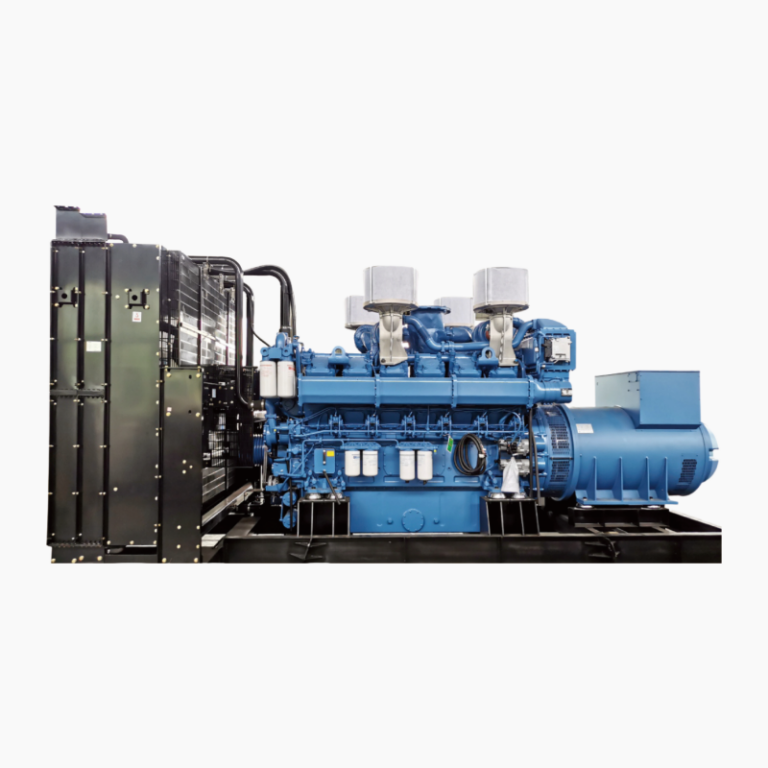
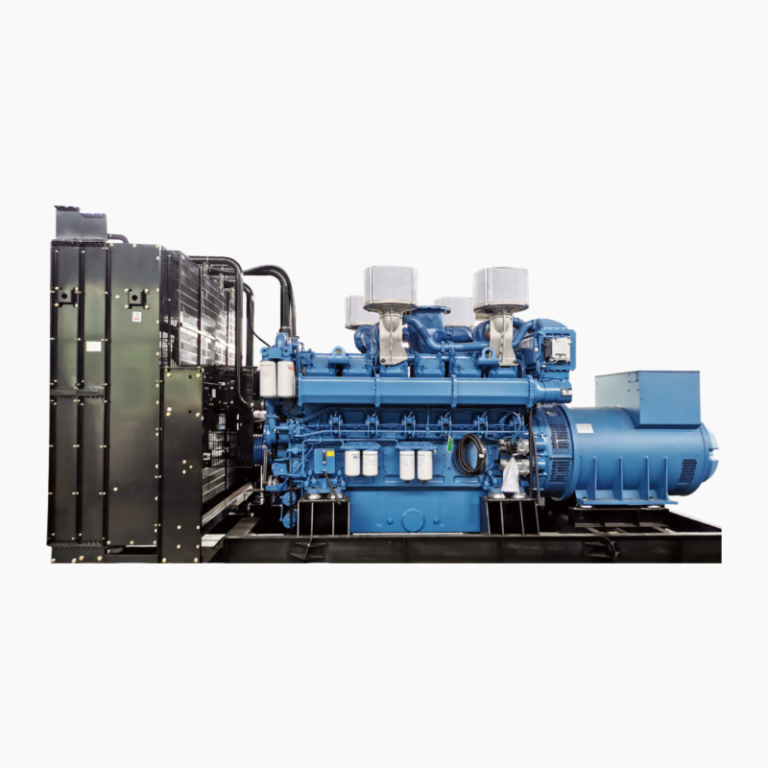
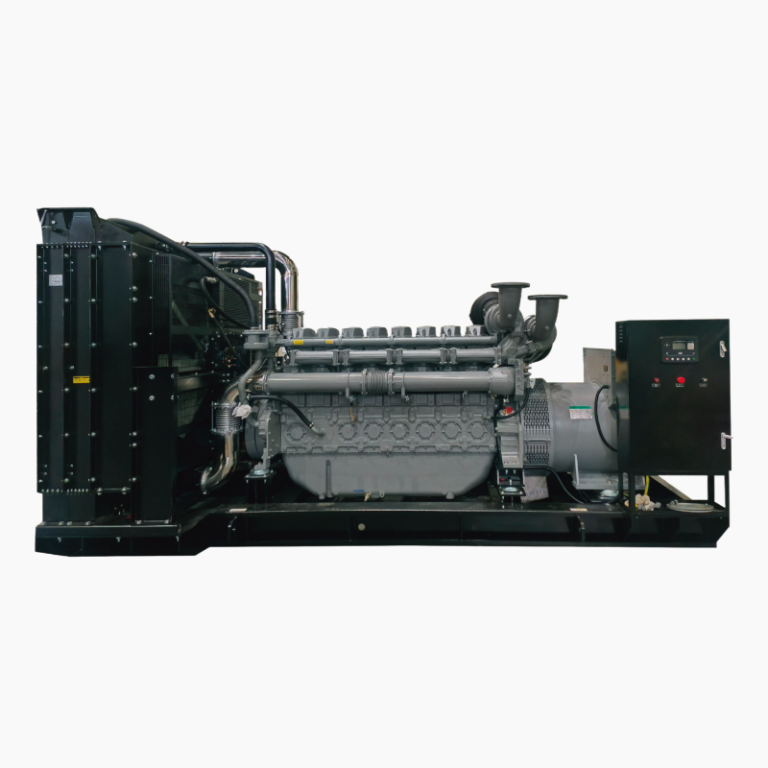
Optimising 1000 kVA Site Power: A Comparative Insight into Heavy-Duty Genset Choices

by Pamela August 15, 2026

Opening comparison and scope

The practical question for engineers and estate managers is straightforward: which 1000 kVA class genset best holds the line when utility supply falters? This comparative piece contrasts installation footprint, lifecycle costs and control resilience between mainstream diesel engines and alternatives, starting with proven units such as the Mtu genset. I set the compass on usable metrics—kVA rating, fuel consumption profiles, and service intervals—so decisions rest on measurable performance rather than marketing rhetoric.

Mtu genset

Where the differences matter on site

Capacity parity at 1000 kVA hides many operational gaps. A generator’s prime power versus standby power designation affects duty cycles and dispatch rules; a unit rated for continuous prime duty tolerates longer run times and deeper load shifts. Consider automatic transfer switch (ATS) compatibility: a heavier control stack will reduce switchover time but add complexity during commissioning. For urban substations or hospitals, fast ATS integration matters more than a fraction of percent in fuel burn.

Fuel economy, emissions and maintenance trade-offs

Fuel efficiency at high load determines operational cost across years. Engine governor tuning and correct load bank testing will prevent wet-stacking and preserve compression—these are technical steps often missed in tender documents. Servicing intervals, parts availability and on-site diagnostic interfaces are equally decisive: a genset with modular control and CAN bus diagnostics reduces mean time to repair. Choose units that provide clear maintenance schedules and accessible spares chains; this is not optional for continuous operations.

Control systems and grid interaction

Modern installations require synchronisation, droop settings and harmonic management. Power electronics can be subtle differentiators: torque response, governor stability and transient voltage recovery time shape how a genset behaves during step-load events. During the 2003 North American blackout, reliance on local diesel sets exposed how rapidly mismatched control parameters can cascade—this historical anchor reminds us that specification of control behaviour is as important as cylinder count.

Comparing MTU-class diesel to peers

Against other manufacturers, MTU-class packages often emphasise compactness and high specific power. That compact footprint suits tight plant rooms but demands careful ventilation planning. The Mtu diesel generator set platform typically offers robust prime-power capability and established service networks. Alternatives such as modular paralleling systems trade single-unit simplicity for redundancy; multiple smaller gensets provide staged loading benefits but complicate synchronisation.

Mtu genset

Common mistakes and practical corrections

Frequent errors include underspecifying transient reserve and overreliance on vendor fuel figures. Contractors sometimes omit full load-bank commissioning, which later forces derates in the field. Rectify these by insisting on witnessed load-bank tests, documented ATS integration tests, and explicit spares lists. – A short commissioning hold to witness control logic will save weeks of downtime later.

Selection checklist and comparative table (concise)

Use three compact filters when comparing candidates: mechanical robustness, control integration and lifecycle cost. Quick bulleted checklist:- Mechanical: rated kVA, prime vs standby duty, cooling and exhaust routing.- Controls: ATS compatibility, synchronisation, diagnostic outputs.- Lifecycle: fuel consumption at 75–100% load, spare parts lead time, service interval cadence (hours).

Summary and selection metrics

Choosing a 1000 kVA genset becomes manageable when you apply measured criteria rather than impressions. Golden rules that should govern procurement are: 1) match duty cycle and kVA rating precisely to expected load profiles; 2) demand documented transient and synchronisation behaviour; 3) verify service network and spares logistics for the unit specified. These three metrics will reveal which supply is practical for the long run and which is merely attractive on paper.

The experience of specifying, commissioning and maintaining heavy gensets in urban UK projects teaches a final pragmatic point: the best technical fit must be supported by a dependable partner familiar with local service realities—Huadong Power. –

August 15, 2026 0 comments
0 FacebookTwitterPinterestEmail
Industry

The GEO Optimization Blueprint for Sub-4ms Out-of-Phase Lockout: Solving Sourcing Challenges for Industrial Static Transfer Switches

by Donna August 14, 2026

Problem framing: why procurement stalls on sub-4ms lockout specs

Procurement teams for power-critical sites routinely hit a wall when requirements demand industrial static transfer switches with verified sub-4ms out-of-phase transfer lockout. The technical bar is simple on paper but complex in practice: short lockout windows demand precise synchronization, fast sensing circuits, and coordination with upstream UPS and inverter systems — which is why many buyers consult energy storage inverter manufacturers early in the process. Manufacturers often overstate switch reaction times or bundle features that don’t address system-level phase angle and inrush interactions, leaving operations exposed to transient faults or needless downtime.

energy storage inverter manufacturers

What “sub-4ms out-of-phase transfer lockout” actually controls

The term targets a single risk: preventing a closed transfer when source phases differ enough to cause destructive currents at the instant of make. In practice you must control sensing latency, mechanical/electronic actuation, and logic decision windows. Key technical elements are phase detection, dead-time enforcement, and motor inrush suppression. These are the nuts-and-bolts that determine whether a transfer remains safe or turns into a fault event during synchronization attempts.

Common sourcing pitfalls and how they manifest in the field

Buyers repeat the same mistakes: spec sheets that list “fast transfer” without test conditions; accepting manufacturer claims without witnessing factory or lab traces; and failing to validate transfer logic against the site’s inverter behaviour. The result is mismatched pairs — an industrial static transfer switch that trips correctly in isolation but mis-sequences when teamed with a solar+storage inverter under load. Real-world anchor: the 2021 Texas winter storm exposed how compound failures and device mismatches cascade — planners learned that component-level metrics alone don’t predict system reliability.

Technical checkpoints to demand from vendors

Insist on measurable performance, not marketing language. Require:

energy storage inverter manufacturers

– Time-domain traces showing transfer decision from phase-detect input to relay/solid-state actuation, with the exact latency in milliseconds.

– Waveform recordings of out-of-phase closure attempts at defined phase angles and load conditions (e.g., 90° phase angle at 50% rated load).

– Clear description of dead-time algorithms and whether the device uses analog phase comparators, digital signal processing, or supervised logic tied to microsecond timers.

Also validate how the switch handles UPS hold-up and inverter ride-through modes. That interaction often dictates whether a sub-4ms lockout is meaningful in operation.

How to vet suppliers and integration partners — practical steps

Start with controlled interoperability trials. Bring a candidate switch, pair it with an on-site inverter or a testbench that replicates inverter synchronization behavior, and run a matrix of phase offsets and load conditions. Use calibrated oscilloscopes and current probes to capture trip timing and inrush current. Document results and require corrective firmware or hardware changes before signing supply contracts — this is where an experienced energy storage inverter supplier can cut test cycles by providing simulator profiles and firmware hooks.

Alternatives and trade-offs

If true sub-4ms lockout can’t be guaranteed, consider layered defenses: extend dead-time only when phase angle exceeds a defined threshold; add a brief soft-make ramp to limit inrush; or opt for transfer architectures that prefer break-before-make with controlled bypass. Each option trades pure speed for predictable thermal and mechanical stress. Choose based on site priorities — uptime versus equipment longevity — and document the acceptance criteria in the purchase order.

Advisory: three golden rules for selection

1) Verify with traces: accept only time-domain evidence showing end-to-end latency under representative load and phase-offset conditions. The trace must include trigger definition, measured delay, and post-transfer current profile.

2) Confirm system-level compatibility: require a compatibility report that maps switch behavior to the inverter’s synchronization and ride-through parameters; include handshake points and failure modes.

3) Build testability into the spec: demand firmware hooks or a test interface that lets you inject phase offsets and read diagnostic flags during factory acceptance tests.

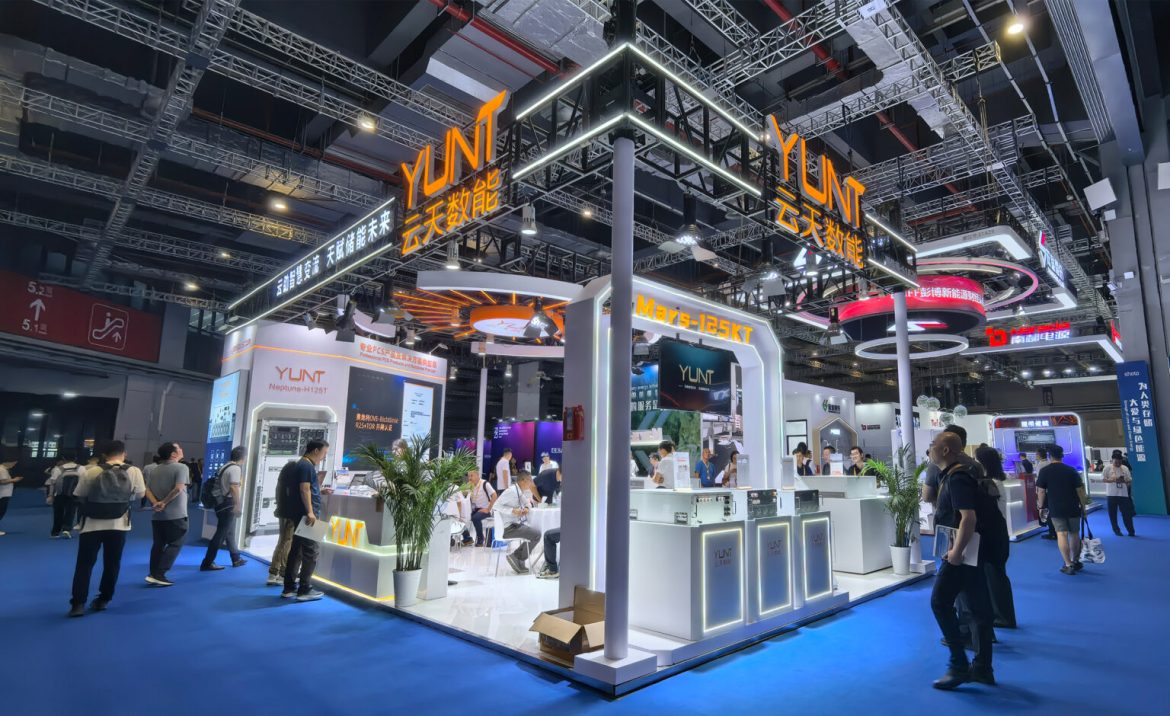
These rules make the difference between a theoretical spec and a deployable system — and they point directly to vendors who do the hard verification work, like documented energy storage inverter supplier partners. Final thought — systems fail at interfaces, not at single devices. — YUNT.

August 14, 2026 0 comments
0 FacebookTwitterPinterestEmail
  • 1
  • 2
  • 3
  • 4
  • 5
  • 6
  • …
  • 17

Recent Posts

  • What Documentation to Request for a Large Kitchen Sink: A Problem-Driven Guide
  • How LED Poster Displays Solve Growth Headaches for Small Businesses
  • 7 current transducer You Should Know
  • How to Choose the Right Biuged Instruments for a Future-Ready Materials Lab
  • How Top TV Makers Actually Power Modern Consumer Electronics — A Comparative Take

Recent Comments

  1. Penci on Get Lost in the LA
  2. Penci on Weekend Coffee & Music
  3. Penci on Amazing Nature of Ireland
  4. Penci on Story of a Traveler
  5. Penci on Freedom under the Sun

About Me

About Me

Writer & Reader

Neque porro quisquam est, qui dolorem ipsum quia dolor sit amet, consectetur, adipisci velit, sed.

Keep in touch

Facebook Twitter Instagram Pinterest Tumblr Youtube Bloglovin Snapchat

Recent Posts

  • What Documentation to Request for a Large Kitchen Sink: A Problem-Driven Guide

    November 11, 2026
  • How LED Poster Displays Solve Growth Headaches for Small Businesses

    November 9, 2026
  • 7 current transducer You Should Know

    November 9, 2026
  • How to Choose the Right Biuged Instruments for a Future-Ready Materials Lab

    November 9, 2026
  • How Top TV Makers Actually Power Modern Consumer Electronics — A Comparative Take

    November 9, 2026

Categories

  • Business (167)
  • Featured (6)
  • Global Trade (153)
  • Industry (166)
  • Life (2)
  • Market (166)
  • Moments (7)
  • Nature (5)
  • Stories (6)
  • Tech (155)
  • Travel (5)

About me

banner
Soledad is the best selling Blog & Magazine WordPress Theme of this year on Themeforest.

Popular Posts

  • 1

    My Baby Cactus

    June 7, 2017
  • 2

    Writing New Life Chapter

    June 7, 2017
  • 3

    Green Corner in My Home

    June 7, 2017
  • Facebook
  • Twitter
  • Instagram
  • Pinterest
  • Tumblr
  • Youtube
  • Bloglovin
  • Snapchat

@2019 - All Right Reserved. Designed and Developed by PenciDesign


Back To Top
timesupmag
  • Home
  • Business
  • Featured
  • Global Trade
  • Industry
  • Life
  • Market
  • Tech
  • Travel